I have to admit that I’ve never researched about the Amazon. I only know it’s the largest rainforest in the world and it houses a diverse set of flora and fauna.
So you can basically call me ignorant. Some of these things might be obvious, while others less so. The bottom line is, I didn’t know before going in.
A Brazilian I met suggested that I go to Manaus and experience a few nights in the Amazon. And with little hesitation, I said yes to an adventure!
Here are 5 things I didn’t know about the Amazon until I got there:
1. The Amazon Rainforest is hot.
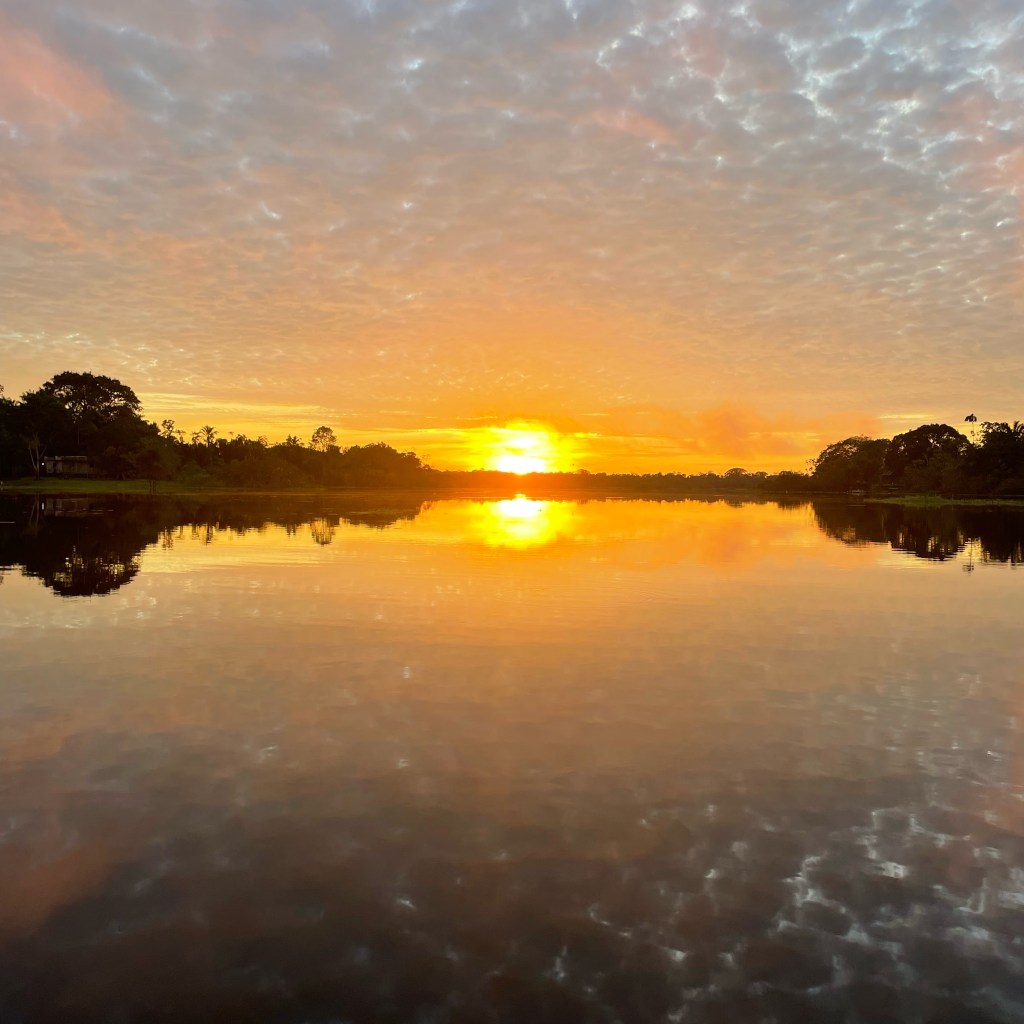
Plants are everywhere. Rain showers occur frequently. I came in during the rainy season. But guess what? That doesn’t translate to a cold climate.
(a) As the Amazon is situated near the equator, the region receives direct sunlight throughout the year.
(b) The warm air and the moisture from the surrounding waters are perfect ingredients for a hot and humid environment.
(c) The canopy cover of the rainforest acts as a barrier, traps the heat, and reduces airflow within the area.
There are more scientific explanations. But these are the simple ones I grasped and can communicate with ease.
2. I hear more than I see.
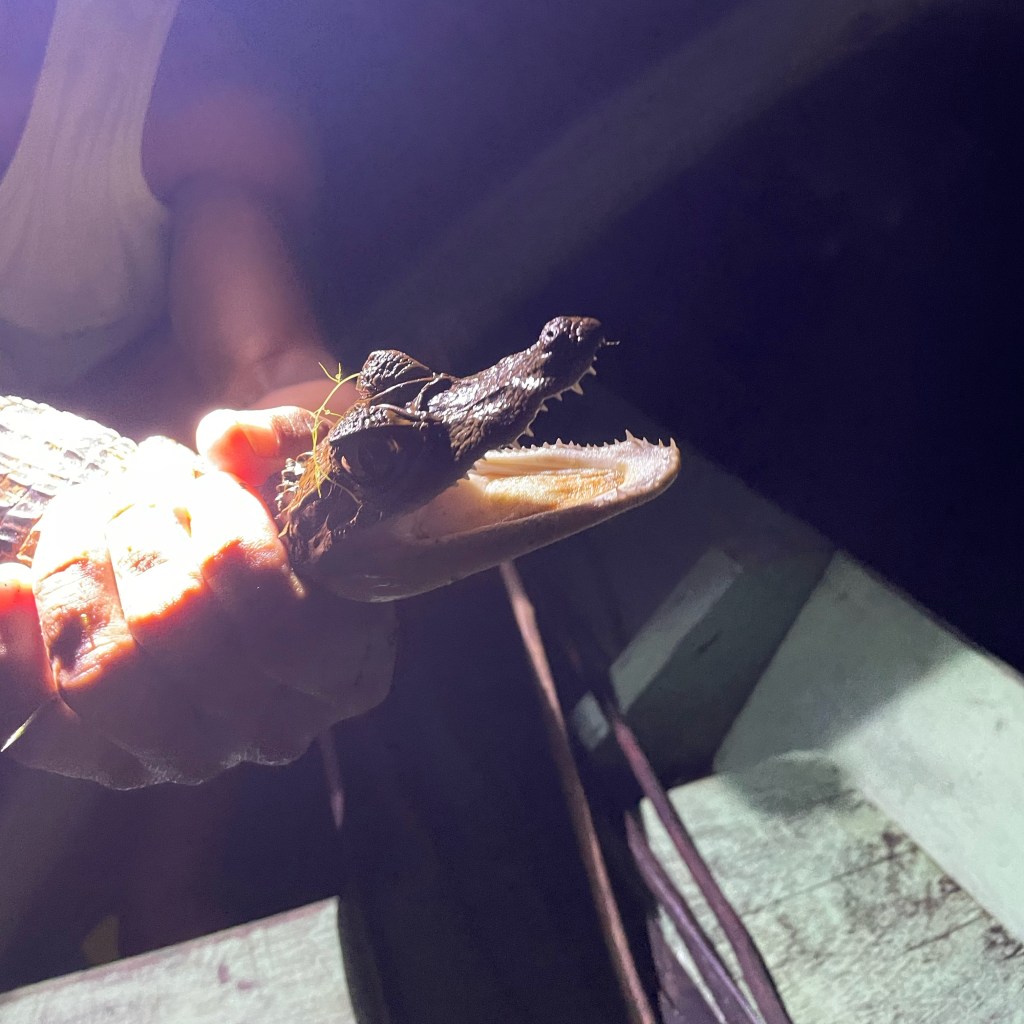
If the Amazon is home to diverse flora and fauna, there must be an abundance of animals for me to observe. With help from locals, my inner patience, and luck, I got to see some. But as Coldplay’s “The Scientist” puts it, “Nobody said it was easy.”
Throughout my journey, I can sense wildlife. But having my eyes gaze at them directly is a challenge.
(a) The vegetation is quite dense. The gigantic trees, the network of branches, and the resulting canopy mean less light penetrating the forest floor.
(b) Animals have their guards up – either as part of their defence mechanism (camouflaging) or as a reaction to noise and disturbance. Unlike zoos where they’ll stay put or are confined in a space, any identified threat in their natural habitat is a reason to stay hidden or stay away.
(c) Numerous animals are nocturnal. Having slept one night in the actual jungle, I was going deaf by just the amount of activity I can hear but cannot see.
3. The rainy season will NOT get in the way of hikes, animal observation, and the Amazon experience.
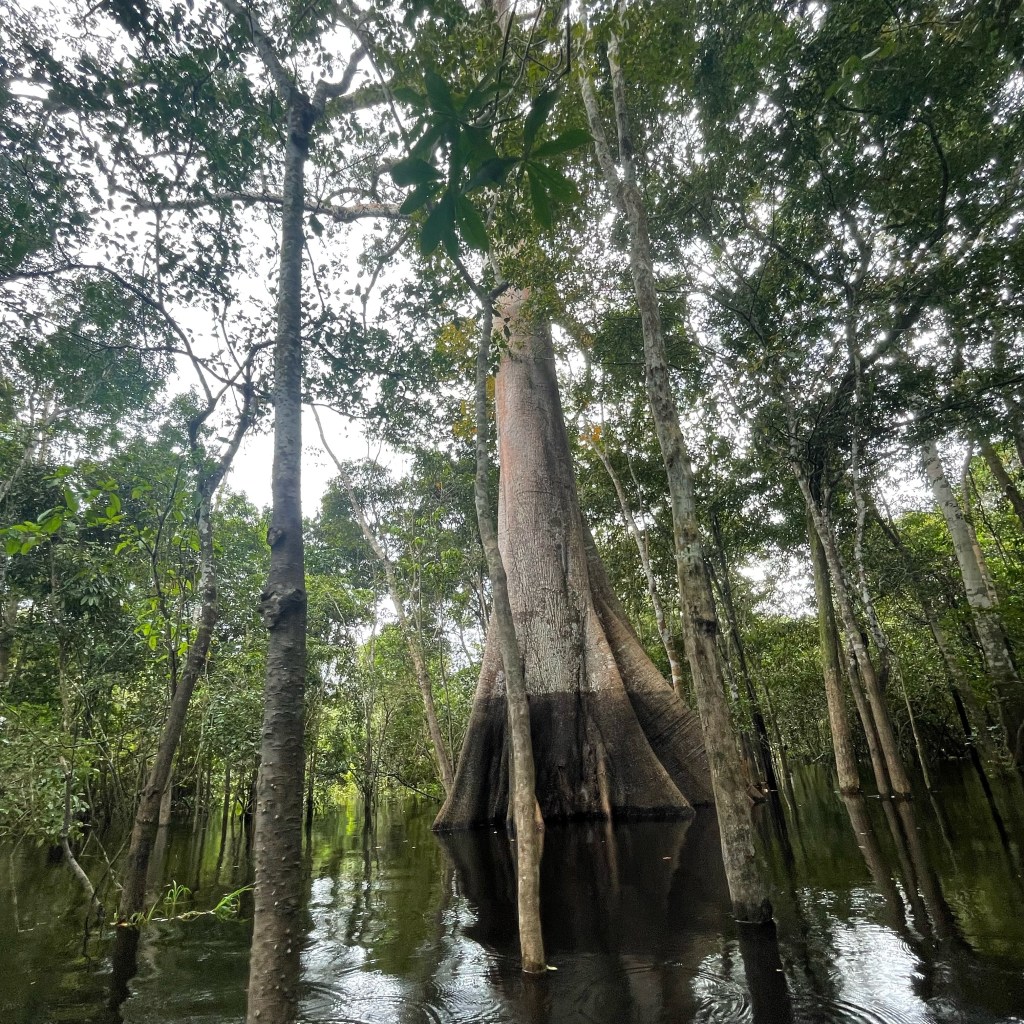
People, myself included, tend to demonise the rainy season when it comes to travel. Who wants to get rained at? “Will I be drenching in water and be out completely cold?” Maybe. But the rainy season (December to May) is an equally worthy choice for a vacation.
(a) Exploring the jungle is better when parts of the Amazon are submerged in the water. Canoeing becomes an alternative that would not be possible inside the forest with the dry season.
(b) The forest is already filled with colours. This is amplified and made more vibrant by the heightened hydration of the flora.
(c) I’ve already found the rainy season hot. But apparently, heat can get excessive and overwhelming to an untrained visitor. The rainfall acts as a buffer so outdoor activities become a bit less uncomfortable and a bit more enjoyable.
4. Accessing the Amazon Rainforest in Brazil is not so straightforward
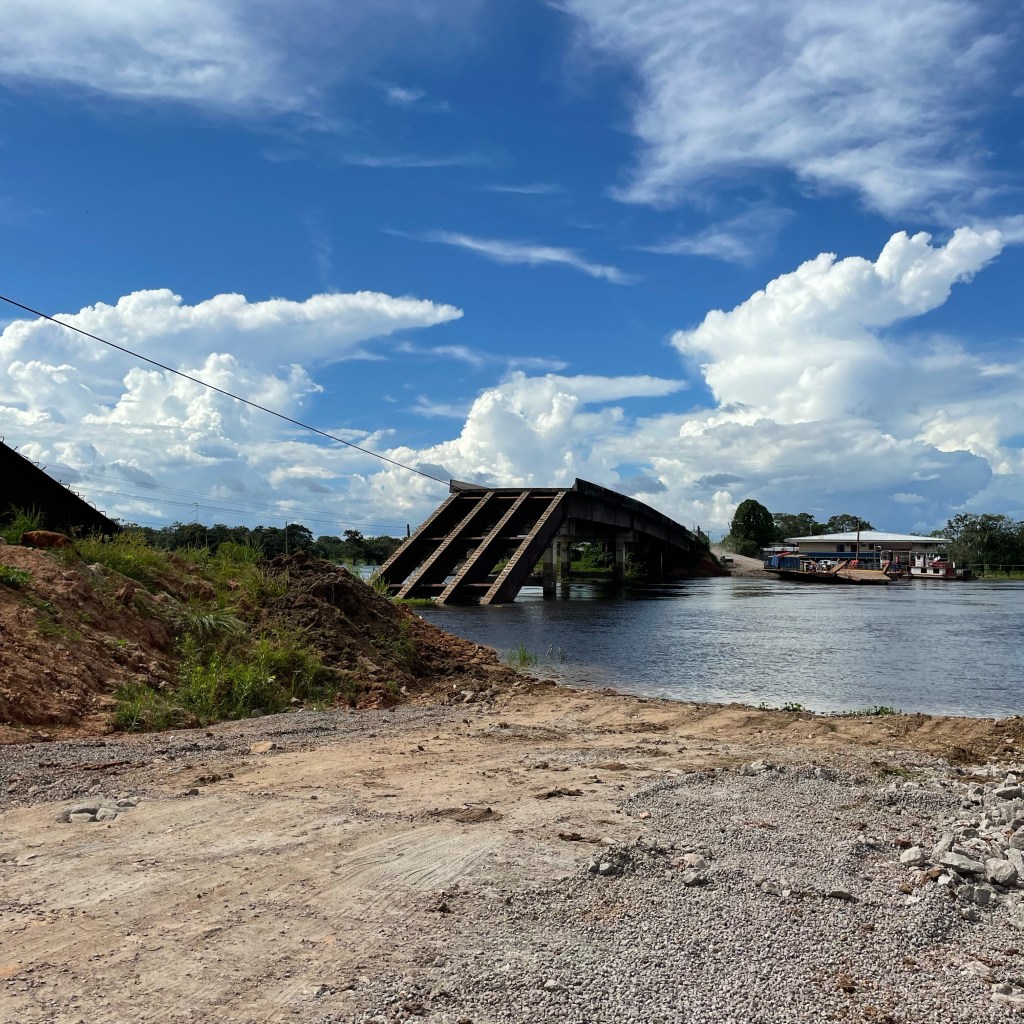
The Amazon is such a well known feature of the Americas that I imagined tourists are flocking left and right. And depends on who you ask, they might say yes. But I found the transportation complicated.
(a) Reaching Manaus can be a challenge. There are limited international flights to Manaus, so connections through São Paulo or Rio de Janeiro are necessary. Air travel is the path I chose. Alternatively, a boat or cruise along the Amazon River is possible but longer (and is an adventure itself).
(b) From the city centre of Manaus, it took me another 3 or 4 hours to get to the forest. It took a boat ride, a long van ride, and two transfers via makeshift bridges. The two bridges connecting the forest to the city have collapsed in the past few months and will take more time to be completely reconstructed. If you’re unfortunate enough to be in the middle of heavy traffic, the number of hours might just increase.
5. Certain communities within the Amazon ecosystem are well connected to the outside world.

Wi-fi, foreign consumer goods brands, and lodges that welcome tourists are just some of the things I witnessed first hand. Many factors explain this.
(a) Urban Centres are developing around the rainforest. The proximity facilitates trade, transportation, and communication.
(b) The Amazon River is the biggest river system in the world (largest volume, 2nd longest). Many networks exist and interact with the coastal communities present in the Amazon.
(c) Indigenous Communities have established contacts and ongoing relationships with the with NGOs, research institutions, and government agencies. They collaborate for various purposes, such as healthcare, education, and/or sustainable development initiatives.
I also have a story from my travel in Manaus. You can check it out in this link.
I also visited in Rio de Janeiro and Sao Paolo. You can see the places I visited in Rio de Janeiro in this link. You can see the places I visited in Sao Paulo in this link.

 How I Did My Travels