
I’m no foodie. But with every place I visit, I try to eat local cuisine. In that way, my taste palate expands. And I end up learning a thing or two about their culture.
I finally went back home after three years. The pandemic has not been kind so it took me a long time to get back. My personal health situation has also not helped. Less than 24 hours after touching down in Manila, my friend was kind enough to drive and go with me on a road trip to Pampanga.
Luzon is the country’s biggest island and is the location of Pampanga. It is the first Spanish province in the region (Cebu, in Visayas, takes home the distinction of being the first for the entire nation.)
One of the eight rays in the Philippine national flag represents Pampanga. The honor is bestowed for the province’s role in the rebellion against the Spanish colony, which resulted in the place being put under martial law during this time.
The region is well known for its cuisine – staples, specialties, and pastries. Many food brands recognized in the country are from Pampanga. And the place will always be worth the visit, even for its culinary offerings alone. With my friends, I ate at Mila’s Tokwa’t Baboy and had a blast going through their entire menu.
Here are 5 dishes I ate in Pampanga:
Pork Sisig
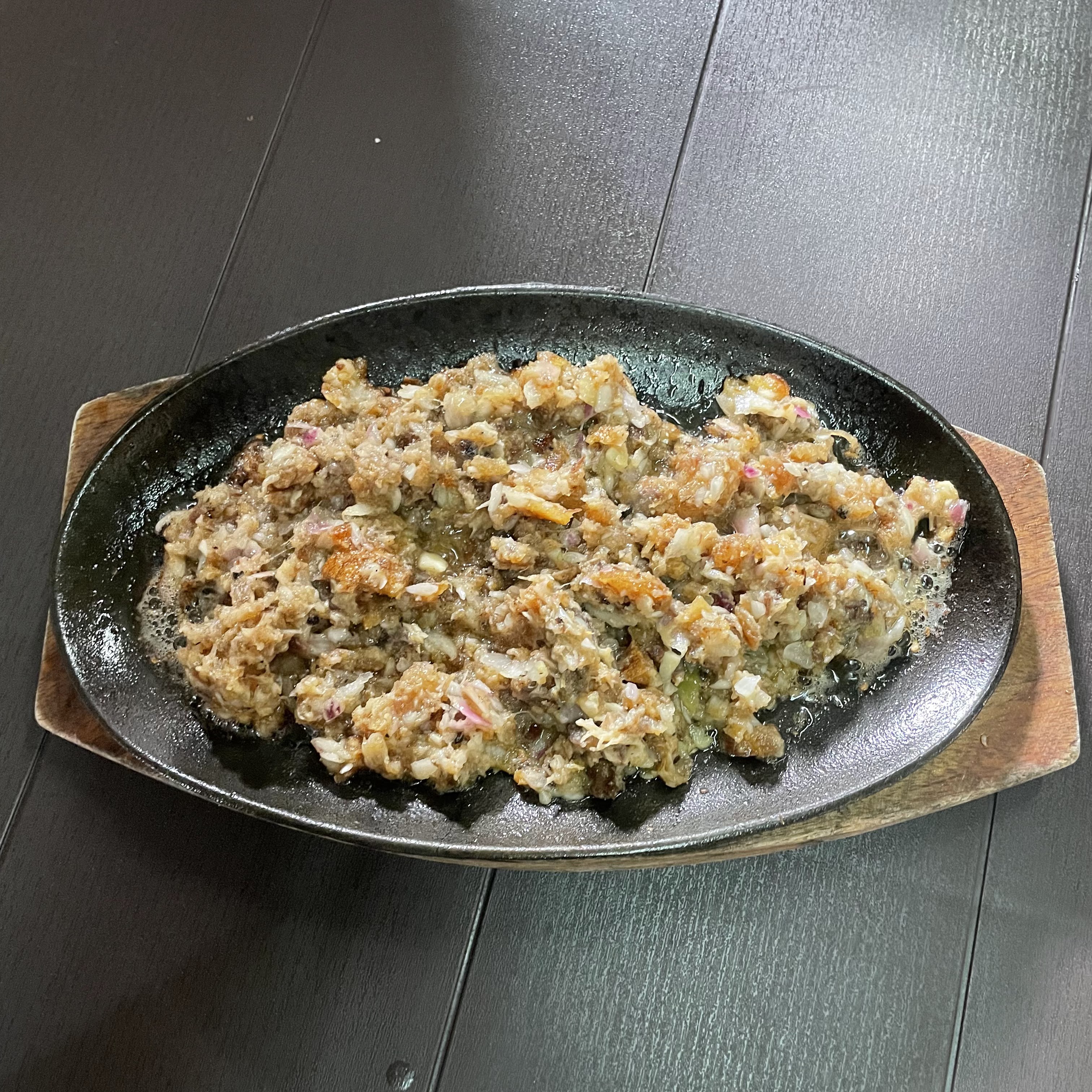
Sisig originated from Pampanga. And it is my single favorite dish in the country.
Traditionally, the meat is made from the face or belly of a pig. In a lot of cases, the ears and the cheeks are the parts that’s minced.
Most people who hear this fact for the first time are disgusted. But I urge everyone to suspend judgment until he/she/they have had a taste. Everyone who trieshave their hesitation turn to praise.
The one undeniable flaw the food has is the amount of calories and fat it contains. How can something so good be so bad?
Paldeot
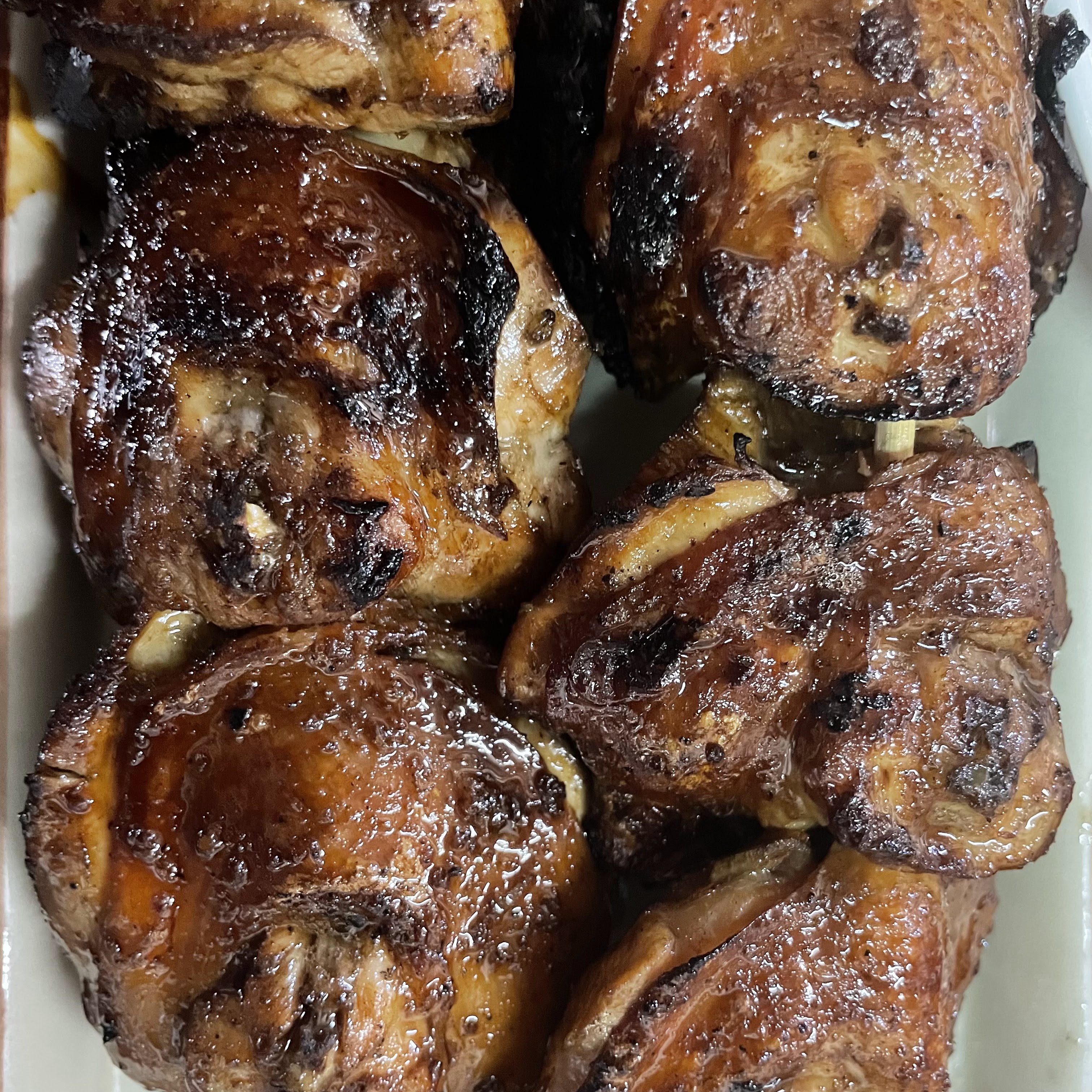
The food pictured above is paldeot or “pwet ng baboy”. The phrase, translated literally, means the ass of a chicken.
Eating these parts may be foreign or strange to a lot of people. But since I’ve heard stories (not necessarily in Pampanga) of people eating any source of protein available during times of war or famine, my perspective has significantly changed.
Not to mention, the taste is not bad – a bit chewy for my liking. For the surfaces that aren’t distracting, they are comparable to local grilled chicken.
Tocino Barbecue
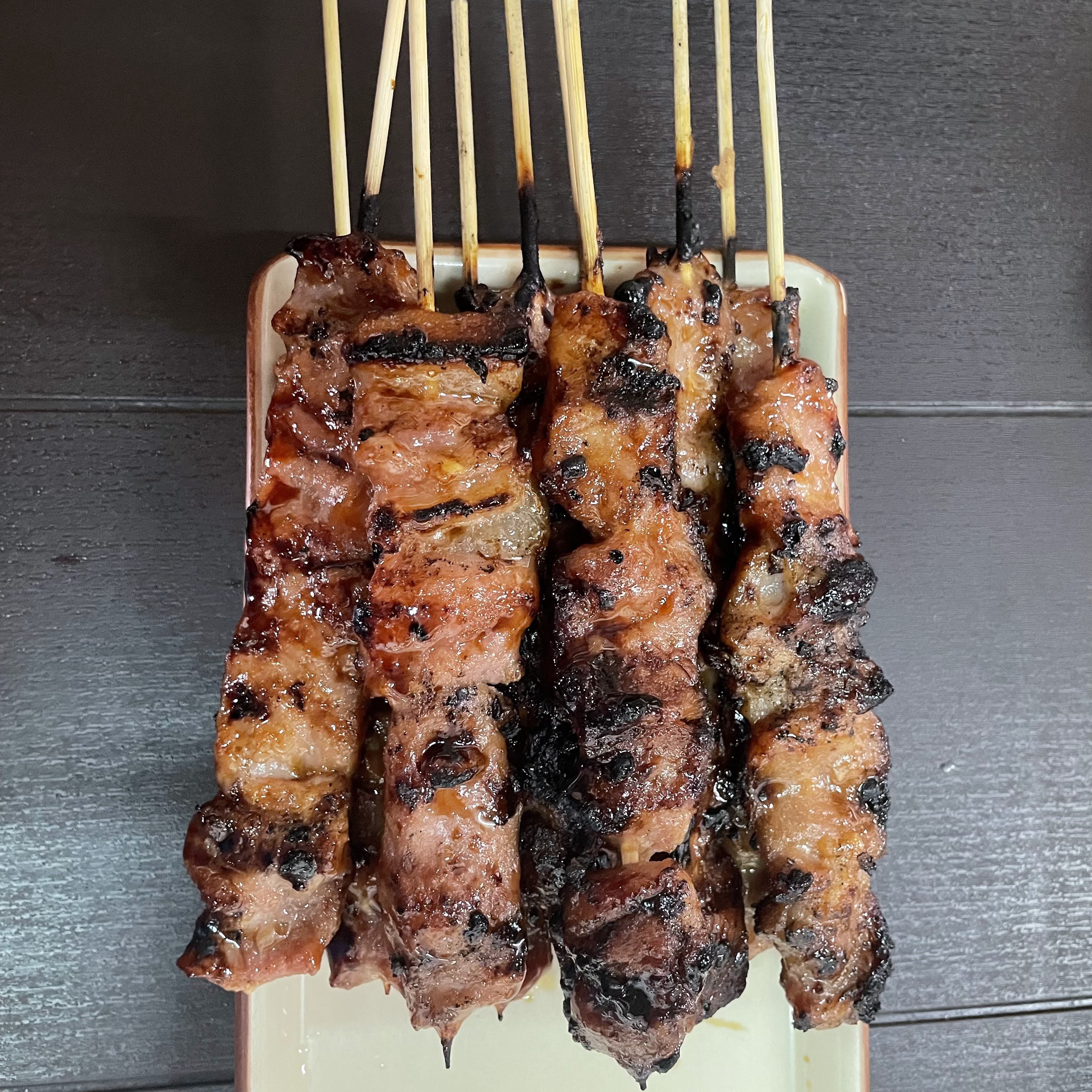
I am not the biggest fan of tocino. And before anyone outside of the Philippines reacts, what is it actually?
Tocino in Spanish is bacon. In other Latin American countries, the meat is neither cured nor dried. However, in my home country, the pork is sweetened and cured.
The biggest surprise to foreigners is when we normally have the dish… for breakfast… with rice! But my underappreciation has less to do with the timing of when the food is consumed. Rather, I don’t prefer sweet savory food with rice. But that’s a point of view that may not be shared by everyone else.
Chicharon Bulaklak
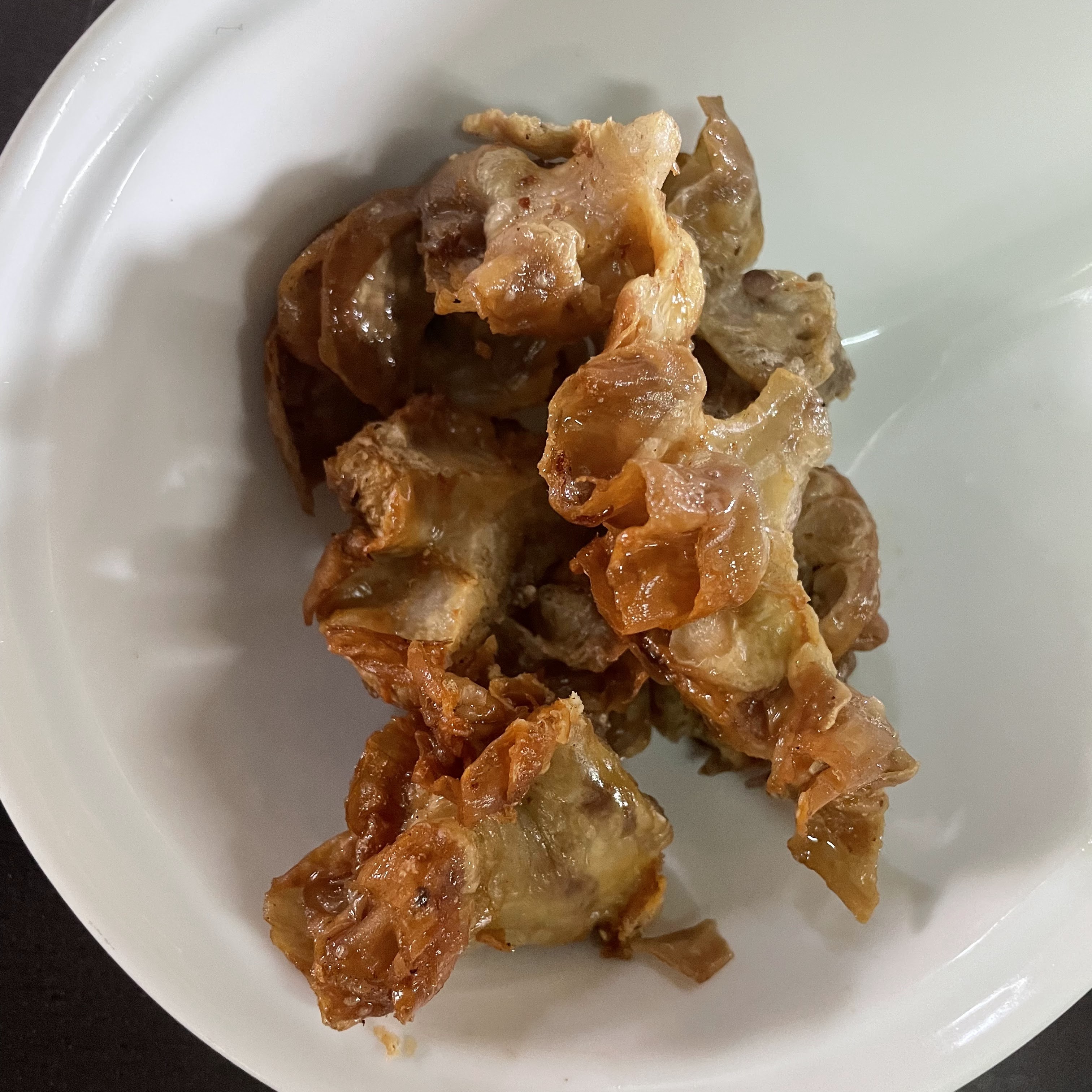
“Bulaklak” means flower and that by no means imply that a plant is part of the recipe. The word refers to the shape. The dish utilizes pork intestines, unlike chicharon baboy which is from pork skin.
Often eaten during a drinking session, it’s crunchy and leaves anyone trying with a desire to have more. However, don’t mistake its lightness with the amount of calories it comes with.
Having this is commonly associated with a high blood pressure. The view is all too common among adults to signify how much precaution you have to take when munching this.
Tokwa’t Baboy
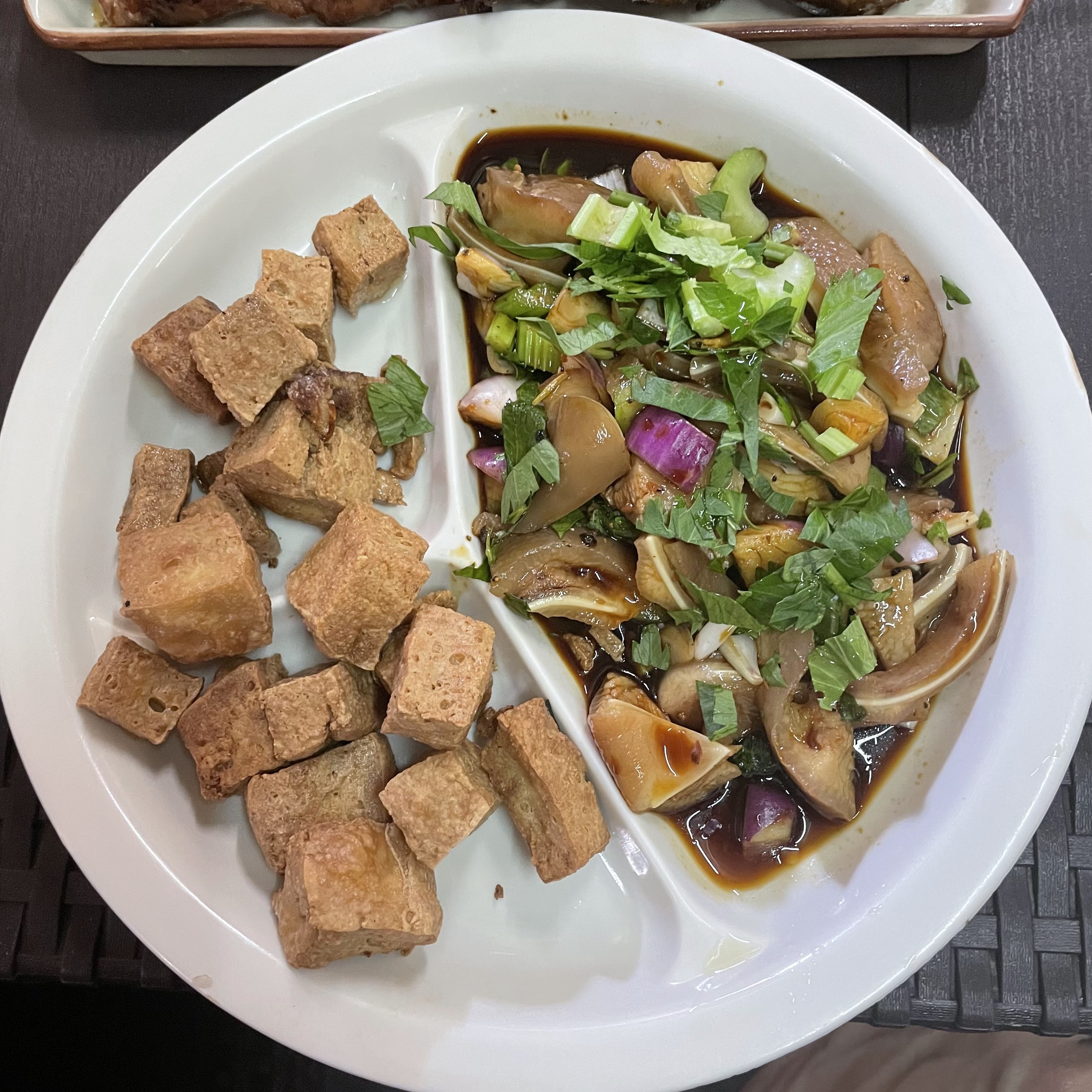
Going to a place called Mila’s Tokwa’t Baboy, and not having the dish featured in the title, would be tragic. So even though the food is often associated with another province (Cavite), I will cover this delicious offering in this post.
“Tokwa’t Baboy” literally means Tofu and Pork. And I guess tofu in this example gives an illusion that healthy ingredients are also important. That is, until you find out that the pork used in the dish is often pork ears or pork belly.
The broth is composed of soy sauce, vinegar, and pork essence. While the tofu is served separately, making sure it fully absorbs the broth is an integral part of the experience before having it as a meal.
All photos were taken on December 2022.


 How I Did My Travels