
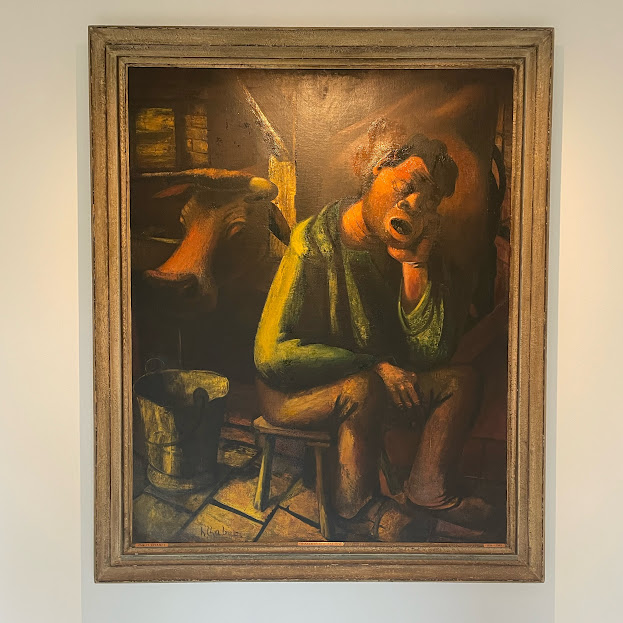
Henk Chabot. Dutch expressionism. Nieuwe Bowen Style.
These are phrases I’ve only heard of today. And I am unsure whether I’ve completely comprehended who they are and what they mean.
But on a Sunday afternoon, when the pain in my head was throbbing and the rain decided to show up during summer, I forced myself out of my apartment and walked to the Chabot Museum.
Basic information
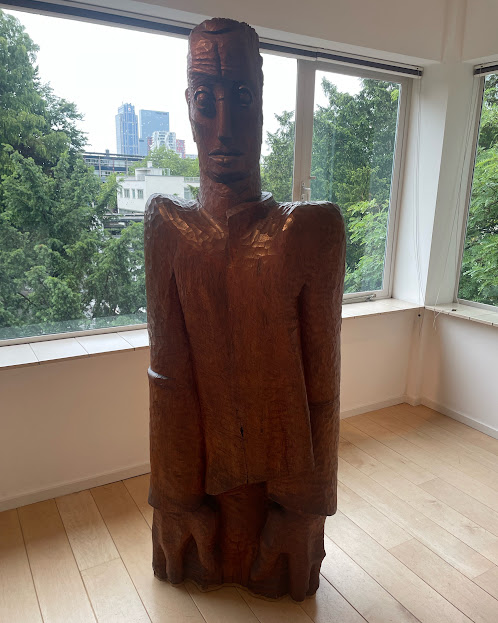
The place is conveniently located in the Museumpark, Rotterdam. For art and architecture enthusiasts, there are other museums in the complex, notably Kunsthal Rotterdam, Depot Boijmans van Beuningen, Het Nieuwe Instituut, Natuurhistorisch Museum Rotterdam and Sonneveld Huis.
The entrance fee is 12 Euros. I paid nothing because the Museumkaart can cover the cost. I am resolved to make the most out my 69 Euro investment. (At this point, I have definitely surpassed breakeven.)
Not a lot of people flock to this destination. And that was helpful to not be around people when I was fighting off a migraine.
Nieuwe Bowen Style
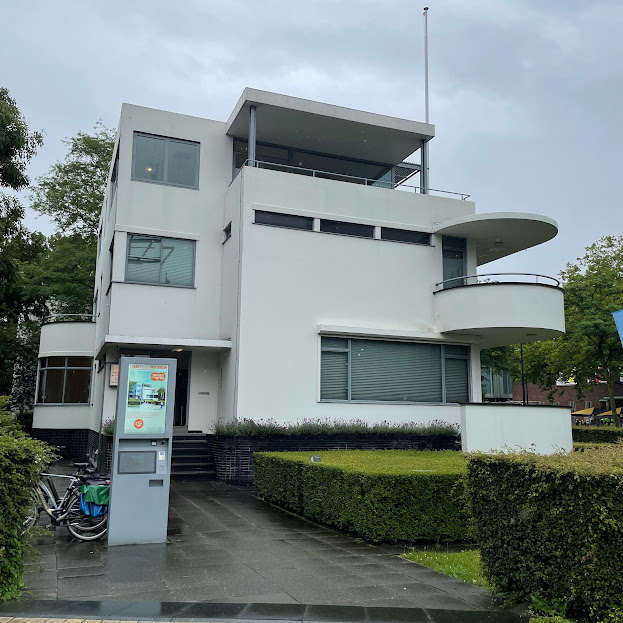
The museum is housed in a Nieuwe Bouwen (New Building) style design. The key features are functionality, simplicity, and the use of modern materials. These set of words excite me as these are right up my alley.
Large windows, flat roofs, and open floor plans. All are aesthetically easy on my eyes. They also allow ample natural light to come in. Of course, whenever the Dutch weather allows it.
Henk Chabot
Henk Chabot was a prominent Dutch painter and sculptor. He is known for his significant contributions to the expressionist movement in the Netherlands. Other well-known (but I’ve yet to encounter) members of this group include Herman Kruyder and Charley Toorop.
His most well-known work is “Brand van Rotterdam” (Fire of Rotterdam). The painting captures the heavy bombardment the city underwent when the Germans invaded Rotterdam during the 2nd World War. The piece is now owned by the municipality but is housed and permanently loaned to the Chabot Museum.
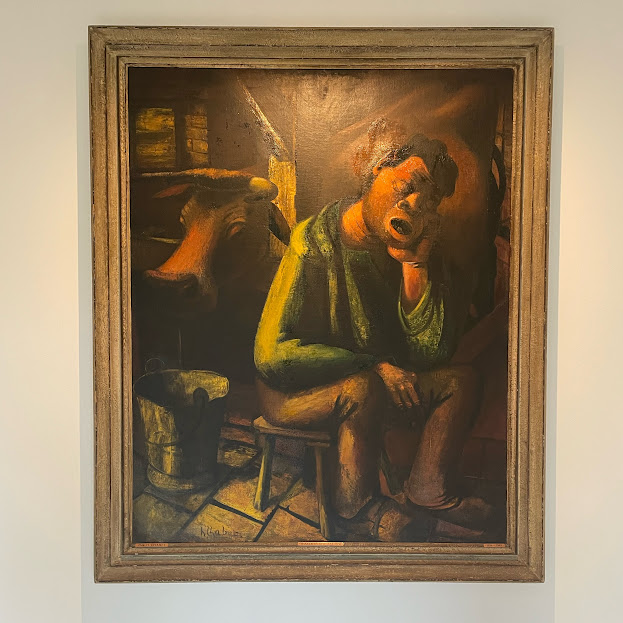
While it’s not a contest, I prefer his works centering on the lives of people in the rural area. No one is as distorted as how he portrays them to be. But the outward manifestation of their emotions are brilliantly put into canvas by Chabot. I just felt seen… most especially by the farmer yawning and being in dire need of sleep.
Dutch Expressionism
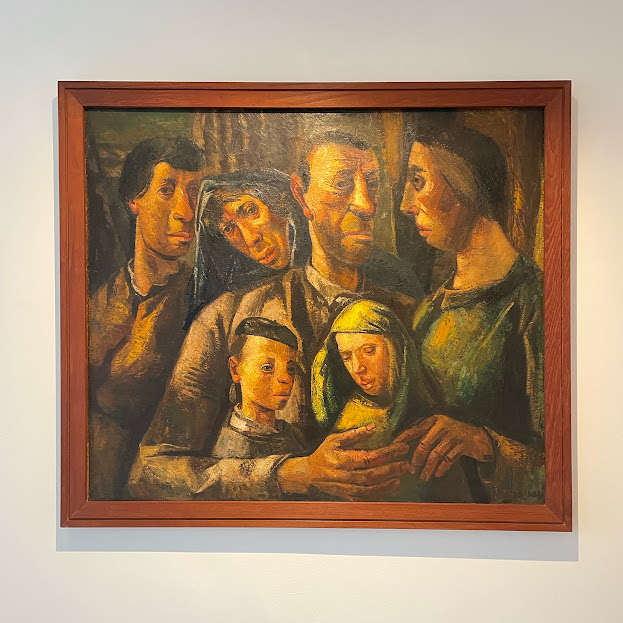
Dutch expressionism entails representation of emotional experiences rather than physical realities. The exaggerated characteristics may become a distraction. But the ultimate goal is to evoke strong feelings – to have a look in their faces and read what is not spoken. And that is evident in his works – both paintings and sculptures.
Most of the pieces aren’t housed in a case, so the details can be scrutinised by the naked eye. When I take glances at the artworks, I can see just how intensely he painted and how layered the texture of the paint became as a result of his style and technique.
I guess when they refer to his use of dynamic brushwork, that is what they mean.
Conclusion
The place is a worthy pit stop if you have time to spare. My knowledge of Dutch art and architecture increased. I may name drop Chabot every so often to get some cultural cred.
I got to appreciate the Sonneveld Huis even more. They have the same architectural style and are within a few meters of each other. This is how easter eggs and the multiverse works in the travel world.
The setting is intimate and the collection is limited. That is helpful for people like me who have a short attention span. I spent an hour in the place and I didn’t have to rush.

 How I Did My Travels