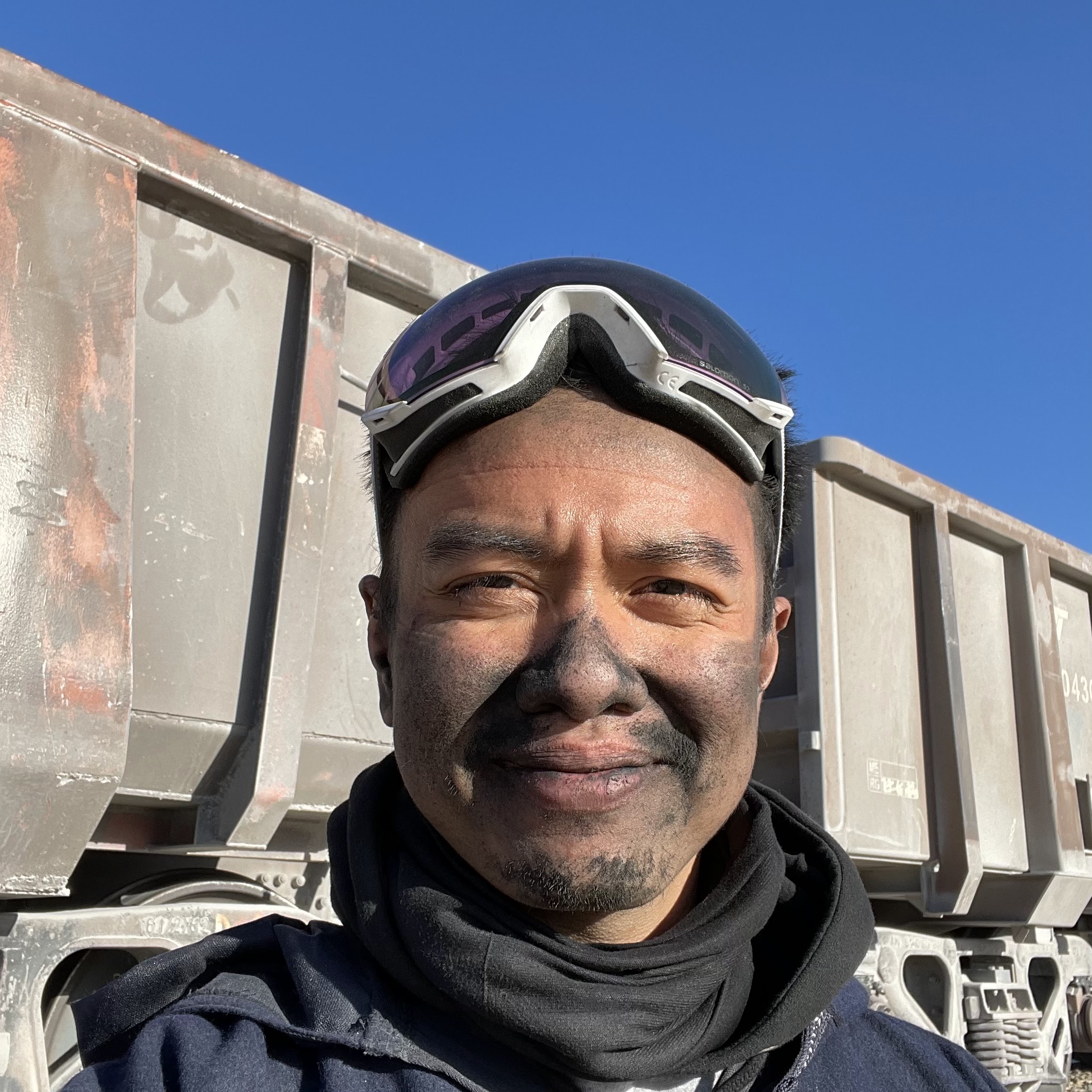
La Paz is 3,640 meters above sea level. This altitude earns the city the distinction of being the world’s highest capital. Though some fact checkers might correct me as the constitutional capital is Sucre, while the administrative and executive capital is La Paz.
I barely did any research and had my breath literally taken away from me. The effective oxygen level in the region is approximately 13%. In comparison, New York, which is at sea level, has around 21%.
La Paz has the world’s highest golf course, football stadium, and velodrome. I met a Brazilian on my travel and he said that the altitude was to blame for his team’s loss to the Bolivians.
The capital hosts the largest cable car network in the world. With this altitude, travel by this medium is not a luxury. This mode of transport is necessary.
Zebras direct the traffic. Witches sell dried llama fetuses. And a huge clock in the National Congress runs backwards.
This isn’t a typical destination. And that makes the visit worthwhile.
Here are five places I visited in La Paz:
Mi Teleferico
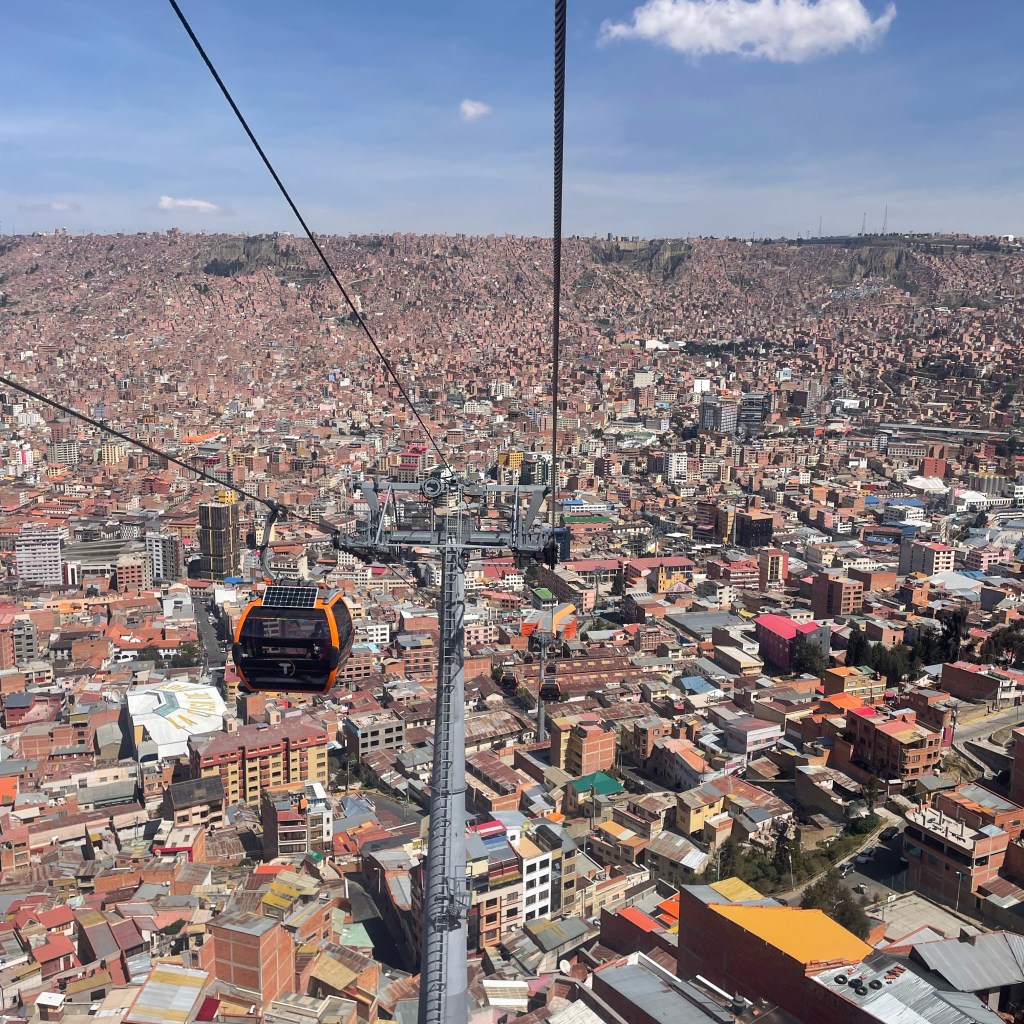
Commutes aren’t always fun. But when the mode of transport is a cable car, I guess the task isn’t as challenging. And what a treat to the senses – seeing the busy city of La Paz get condensed into a picture perfect shot.
The line runs from La Paz to El Alto. Those are two completely different cities! The cost is 3 Bolivianos one way (0.40 Euro/0.43 USD as of writing). And while there is a crowd, there’s space, which isn’t necessarily the case when riding buses or walking the streets of La Paz.
The Witches’ Market / El Mercado de las Brujas
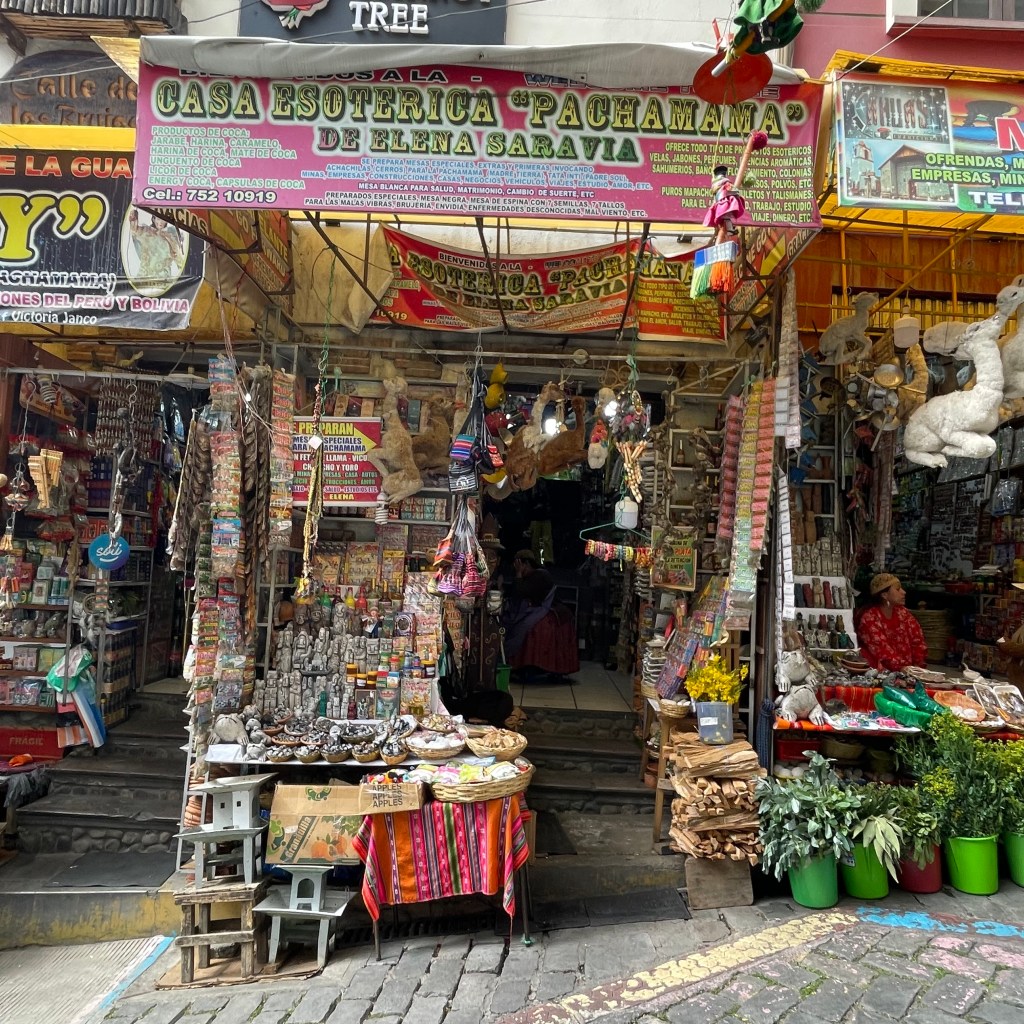
I cannot vouch for the effectiveness of any of these items. I didn’t try them. But if dried armadillos, llama fetuses, and exotic herbs are your cup of tea, this is the place! Yatiris, local witch doctors, run the place. And some of these rituals curry favor with the Pachamama, Mother Nature.
Calle Sagarnaga is nearby, where more traditional souvenirs and things are up for sale. The street is picturesque and will work well for people’s Instagram and Tiktok posts.
Coca Museum

I have all these notions in my head of what role coca plays in Latin America. But the best way to correct or confirm any of those is to educate myself.
I initially refused the coca candy offered at the point of entry. That was based on my understanding that I would be taking cocaine. In the end, I drank coca tea and took the delicacy to deal with my altitude sickness.
As the exhibit perfectly captures, grapes is to wine as coca is to cocaine. The coca acts as a base. But in itself, I wouldn’t classify it as a vice.
I found the Coca Museum to be sweet but simple. The history and the ongoing usage are discussed in length – including explanations on how ingrained coca is in local cultures, the usage of Coca in Coca Cola, and the drug wars.
I have to admit that my perception of coca is shaped by Western and religious standards. And the traditions and points of view of people from the Andean region are often ignored. The museum is a first step in giving a platform to those unheard voices.
Tiwanaku
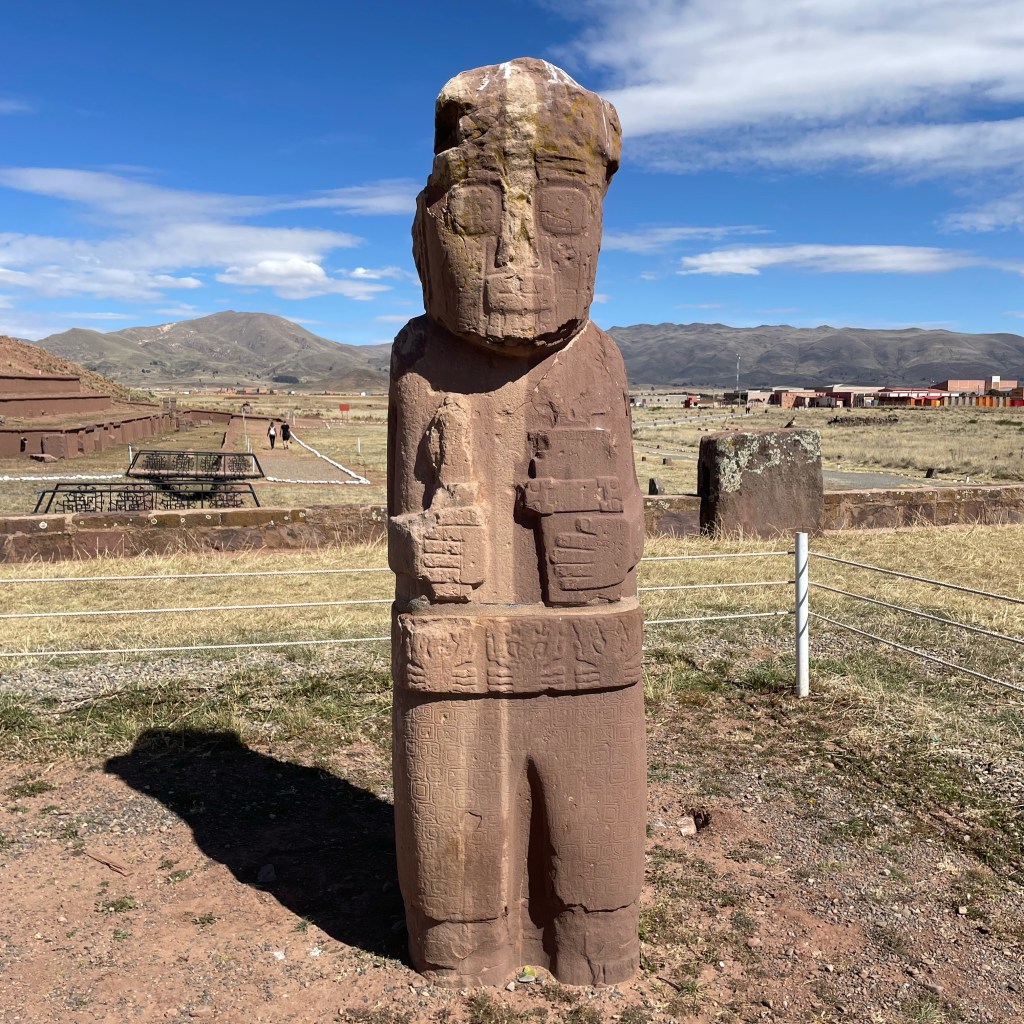
I came to South America to learn more about the Incas. Little did I know that the people of Tiwanaku first arrived in the area and asserted their dominance for 1,200 years (dating back to 200 B.C.) Their sphere of control expanded outside of Bolivia to parts of modern day Peru, Chile, and Argentina.
Unlike the Incas, which were largely driven out by the Spaniards, drought dried up the remaining lives of the Tiwanakus. But their influence and significance spill over to today.
Their geniuses include irrigation being siphoned from Lake Titicaca to their empire (approximately 15 kilometers away). Rocks weighing 25 tonnes were used – mysteriously lifted and forming part of their construction. And they had a great grasp of astronomy, specifically the relationship between Earth, the sun, the moon, and the stars.
Calle Jaen
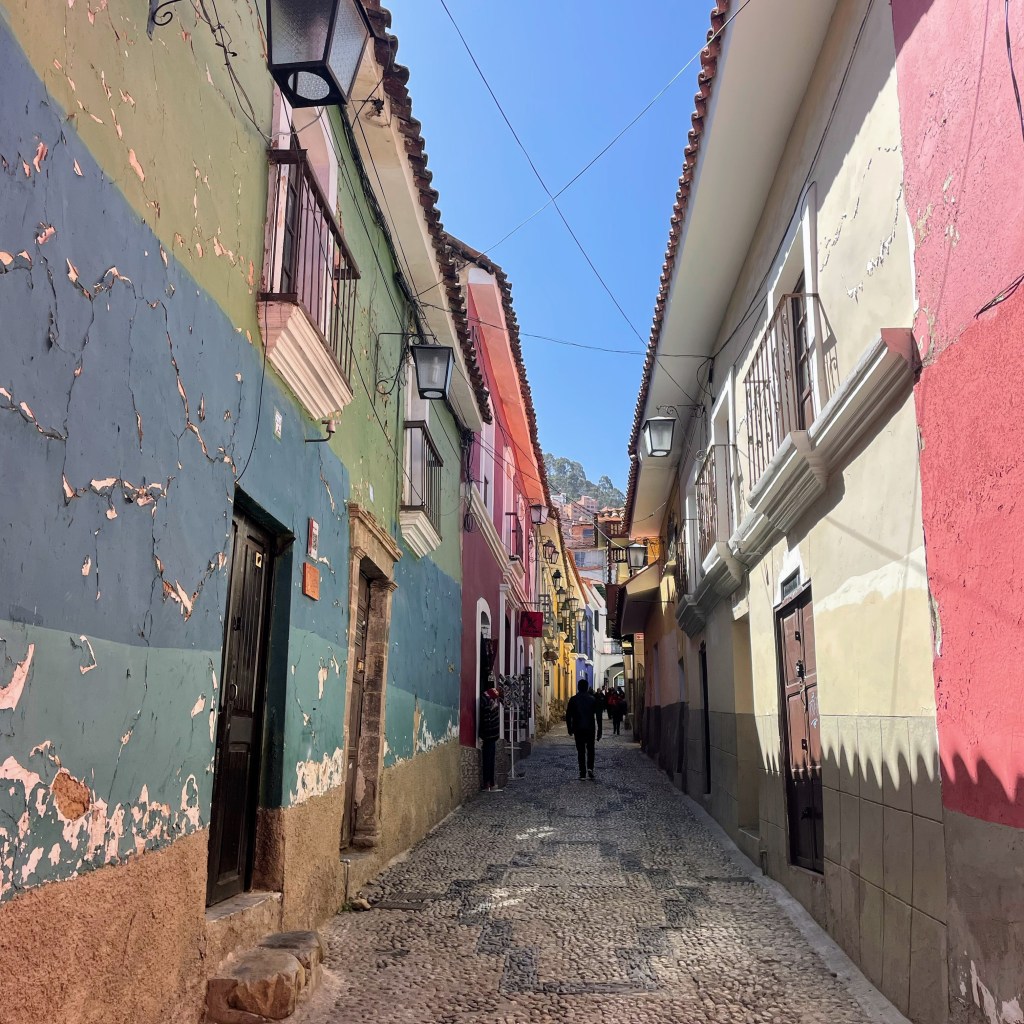
Calle Jaen is a charming and historic street with a well-preserved colonial architecture and vibrant atmosphere. There’s a narrow cobblestone path, colorful buildings, and traditional balconies.
There are various art galleries, handicraft shops, and souvenir stores. I went there to enjoy a cup of coffee. There are multiple options available – to relax or to dine or both.
Museums are plenty on this street. They include (1) the Museo Casa de Murillo, the birthplace of Bolivia’s independence leader, Pedro Domingo Murillo, (2) the Museo de Metales Preciosos, which showcases a collection of silverware and jewelry, and (3) the Museo Costumbrista Juan de Vargas, exhibiting traditional costumes, masks, and artifacts.
The trip to La Paz happened in May 2023.

 How I Did My Travels