
I’m no authority in what places are the must-dos. But I can tell you which are the ones I went to. I’ll sprinkle in some basic information along the way and tell you about my experience. Your trip will be different than mine. But I thought I’d share what I saw.
My friend describes split as a “habitable version of the Colosseum”. And I find her words accurate. The city houses a former Roman emperor’s palace. And that structure alone covers seven acres.
Split is located in the Dalmatian coast. And that makes it home to a waterfront promenade and beautiful beaches. Imagine if Miami and Dubrovnik had a mashup.
As with many coastal cities, seafood is a prominent feature in their cuisine. And my friends went gaga over the food.
Side note: For places I visited in Dubrovnik and Zagreb, you can visit these links: Dubrovnik and Zagreb. For a story I have from Dubrovnik, you can visit this link.
Back to the topic at hand. Here are five places I visited in Split:
Diocletian Palace
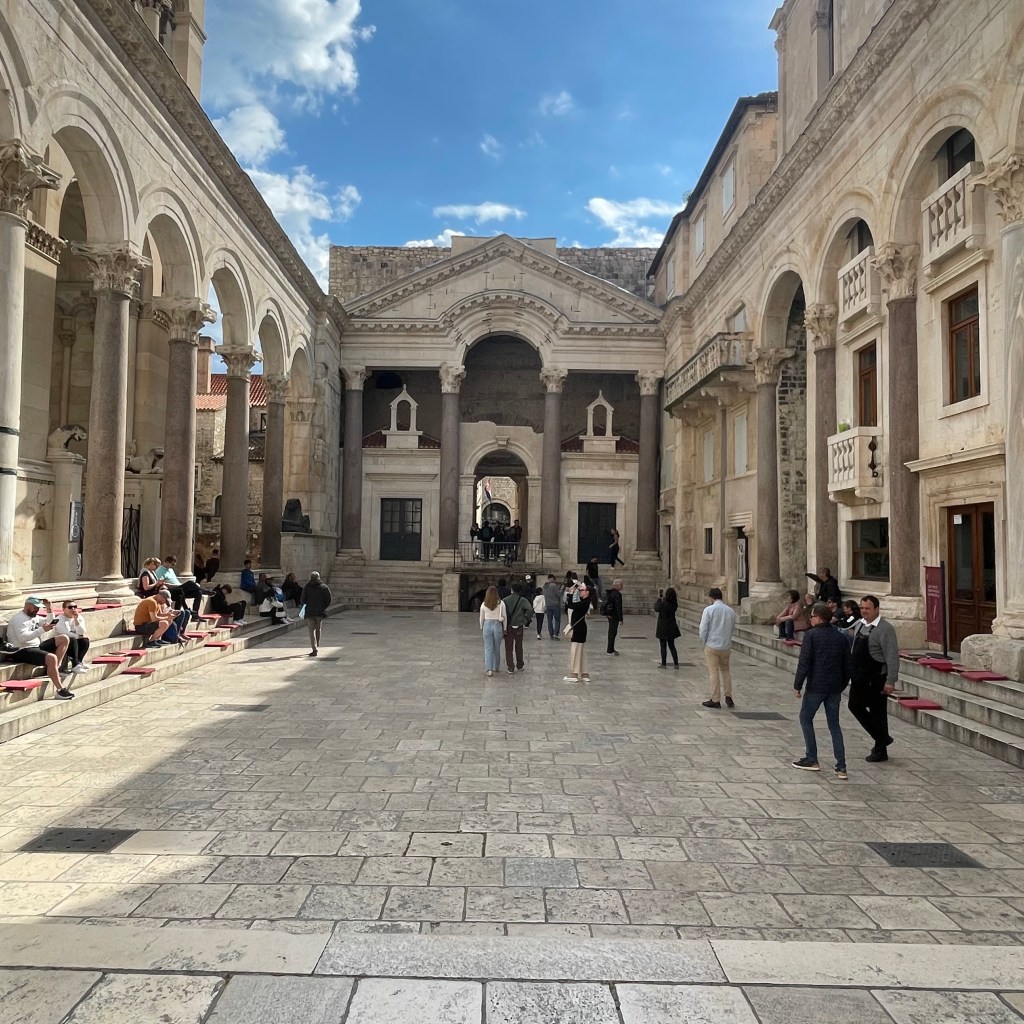
The richest people in the modern world have nothing on former Roman emperors. Imagine, the Diocletian Palace was intended to be just a retirement home for Diocletian.
The structure is at the heart of Split and is impossible to miss. Given its historical, cultural, and, architectural significance, this is designated as a World Heritage Site by the United Nations Educational, Scientific, and Cultural Organization (UNESCO).
The building is a testament to the far-reaching influence and power of the Roman Empire. And it’s a well-preserved example of the architecture that dominated those periods.
Tourists are everywhere. Most people would gather in the Peristyle, an open-air courtyard that was the ceremonial center. The area is now filled with attractions, shops, and restaurants to choose from. For the religious, Cathedral of Saint Domnius is also within the vicinity.
Krka National Park
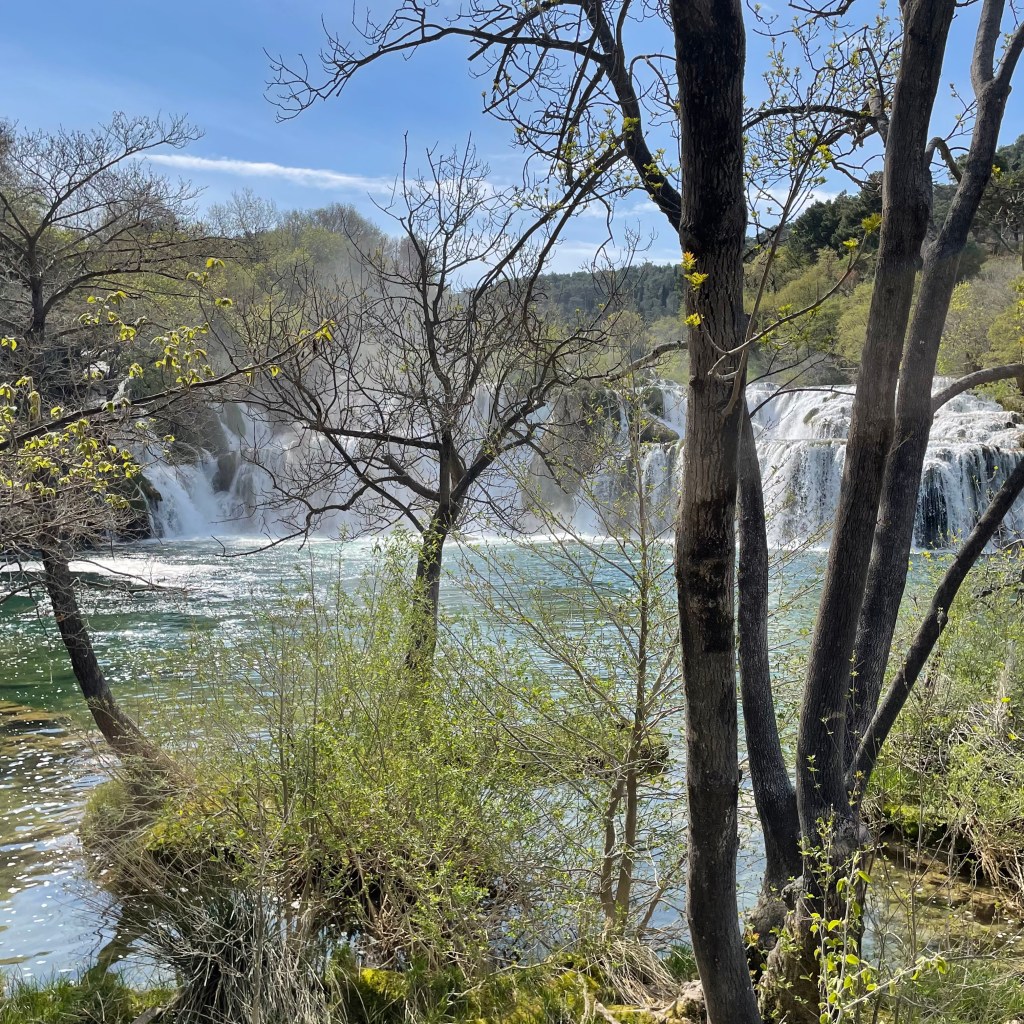
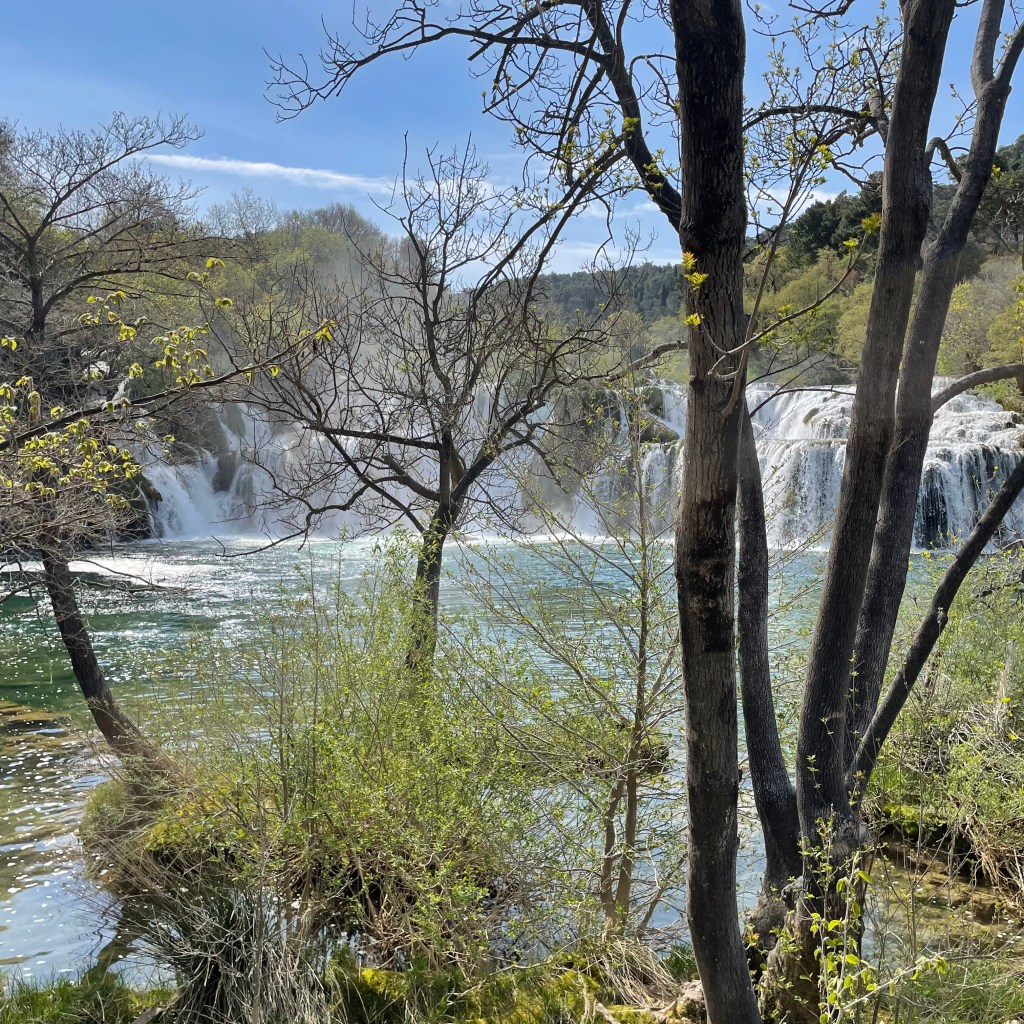
I visited Plitvice on my trip to Zagreb. This time, I went to Krka from Split.
I never knew that Croatia was home to many waterfalls. But both national parks, Plitvice and Krka, deserve the hype and the acclaim they’re associated with.
The Krka river flows through the park. Numerous waterfalls, including the Skradinski Buk, are situated within the complex. I’m no fitness buff. But taking a hike didn’t feel like a challenge when there’s nature to marvel at.
Dipping in the waters wasn’t allowed during my visit. I think it is a combination of preservation efforts, legacy Covid-19 restrictions, and springtime.
Froggyland
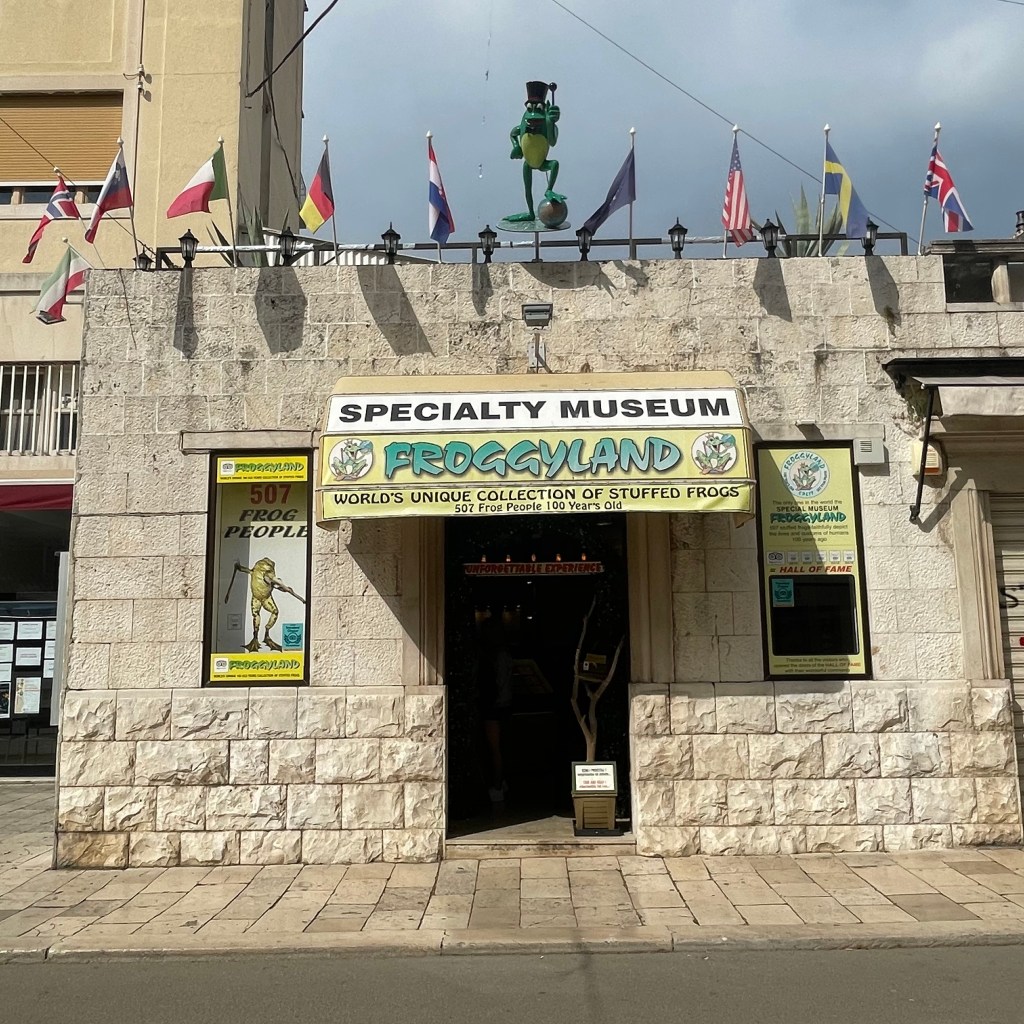
After visiting the Museum of Broken Relationships and the Museum of Hangovers in Zagreb, I was not surprised there were other unique and quirky museums in Croatia. Split hosts Froggyland, an exhibition of more than 500 frogs, posing in real life situations -from taking part in a judicial court to every sport imaginable.
The idea was conceptualised by Ferenc Mere, a Hungarian taxidermist. He spent his time traveling the world, and collecting frogs of different species along the way.
I spent less than an hour in the place. And the curation is designed to be consumed for that duration. But the price tag is a bit hefty.
I would say, there are many museums of natural history or ones dedicated to maritime. But I don’t think I’ll see one dedicated to frogs anytime soon.
Diocletian Cellars
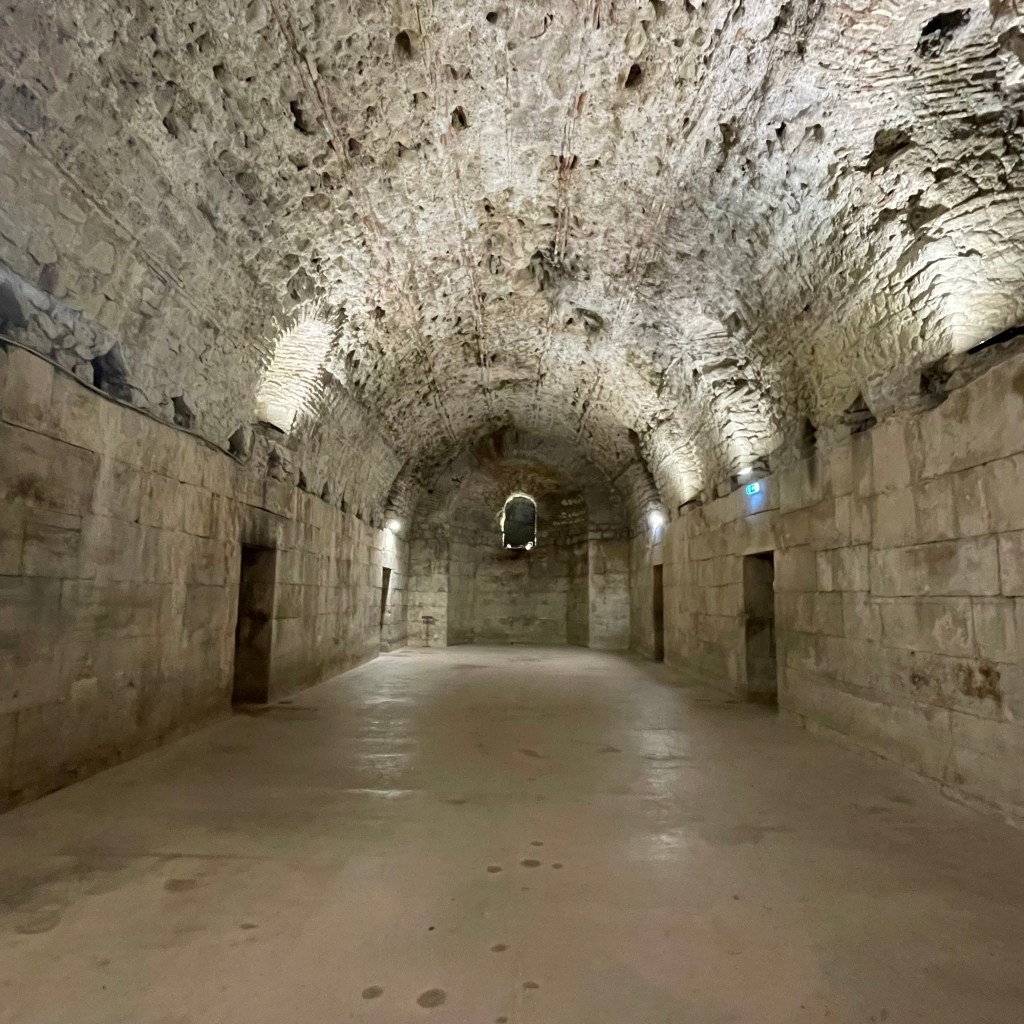
The Diocletian Cellars are located under the Diocletian Palace. The place was originally built to store food and supplies. Now, it has been cleverly turned into a tourist attraction. Surprisingly, I didn’t see many visitors during my trip.
The place also is known for its natural acoustics. Apparently, the venue is a popular choice for concerts and performance art. I tried the sounds myself, with my not-so-stellar voice. I am unsure if the issue was my lack of talent or there’s really nothing special.
In my opinion, the price is a bit steep for what the place has to offer. But if you are a fan of architecture, history, and culture, then the place might be worth your money.
St. Katherine Church / The Church and Convent of St. Francis / The Monastery of the Mother of God of Health
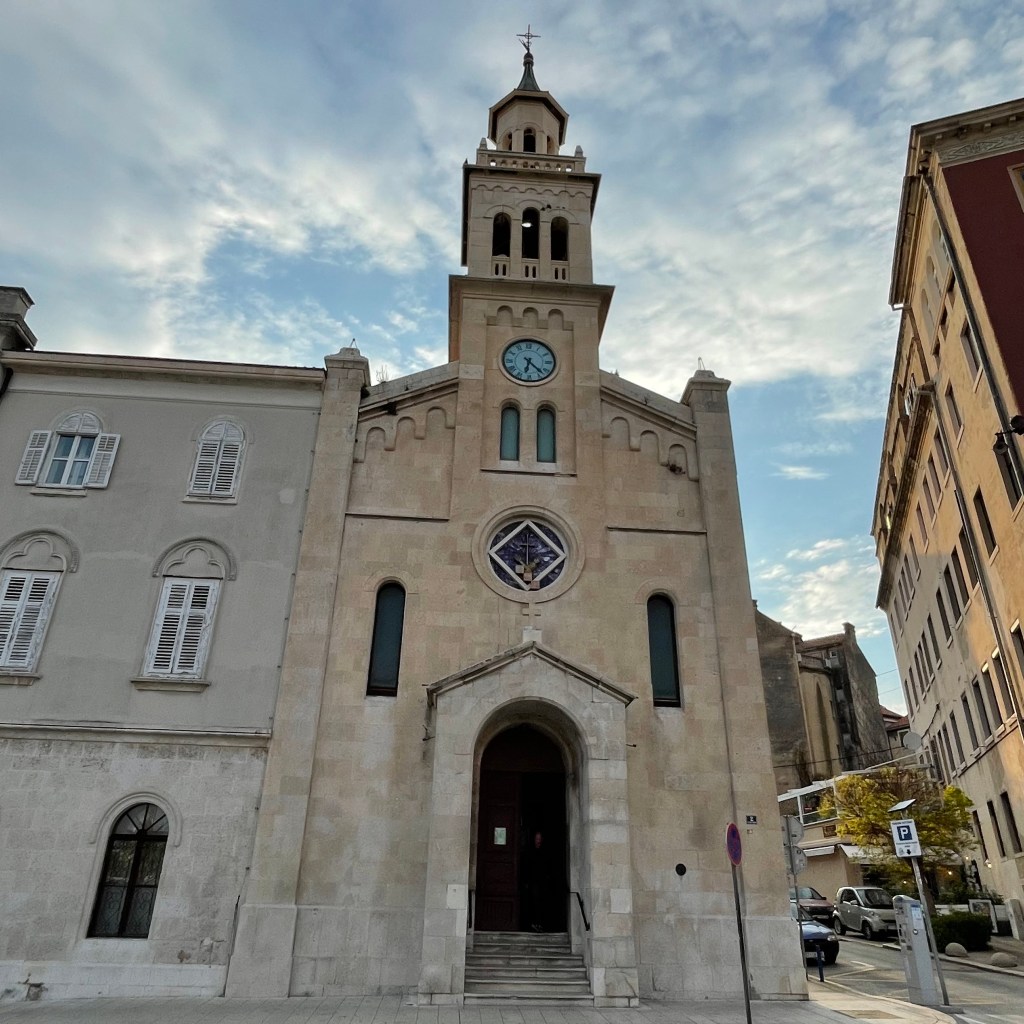
Considering Croats are generally Roman Catholic, going on holidays in their home country during Easter may not have been the best idea. Many establishments were closed, and so was the city’s most well-known cathedral, Saint Domnius Cathedral. But if anyone wants to tap into their religious side, there are plenty of options to choose from. My friends and I walked around. Every now and then, we’d find a church.
St. Katherine Church is a short distance from the Diocletian Palace. So a visit is easy and practical. Although I didn’t climb up the bell tower, that supposedly gives a breathtaking view of Split and the surrounding areas.
The Church and Convent of St. Francis, as the name suggests, consists of a church and a convent. The former has frescoes, some of which has St Francis at the center. The latter used to house Franciscan friars. But nowadays, as with many budding tourist destinations, the convent functions as a museum, housing artefacts, paintings, and sculptures.
The Monastery of the Mother of God of Health is dedicated to the Virgin Mary. The complex has a church, a museum, and a cloister. All of them are open to the public.
The trip happened in April 2023.

 How I Did My Travels