
I’m no authority in what places are the must-dos. But I can tell you which are the ones I went to. I’ll sprinkle in some basic information along the way and tell you about my experience. Your trip will be different than mine. But I thought I’d share what I saw.
I spent New Year in Lisbon. And the cost I had to pay included a Covid-19 infection. But the ordeal was worth the trip.
Portugal’s capital is also set on seven hills, much like Italy’s Rome. And once I found that out, all the walks and climbs started to make sense.
As opposed to the majority of Europe, Lisbon’s weather is to die for. Prices are relatively affordable. History is rich and yet majority leave it unexplored. Architecture looks classic but isn’t stuck in the past. And fado proves that emotions are universal, because I speak 0 Portuguese but felt 100% of what was conveyed.
I would say I felt underwhelmed by their cuisine. Or maybe I tried dishes in the wrong places. But I never say no to anything. And if the opportunity presented itself, I’d grab another opportunity to come back.
Here are five places I visited in Libson:
Belem Tower / Torre de Belem

It was love at first sight when I saw the Belem Tower. Bodies of water by themselves are already picturesque. And they bring me calm. But to see a living tower, historically used for protection, and as the starting point for past explorations, blows my mind.
The travesty during my visit was I couldn’t get inside and climb up. But in general, the option is possible through a narrow set of stairs, with the reward of a gorgeous view around the Tagus River. But even without that experience, the sight is already breathtaking.
Jeronimos Monastery / Mosteiro dos Jeronimos

In Belem, Jeronimos Monastery and Belem Tower are walking distance from one another. So I find it efficient to hit two birds with one stone. And not that I’m aware what has earned both places the distinction. But they are both UNESCO World Heritage Sites.
The monastery was commissioned to honor Vasco de Gama. With his sea voyage, he is known for being the first European to reach India. And the insides of the building, as well as the cloisters, are elaborately constructed and designed with maritime motifs.
There are also two museums that I didn’t get to visit. But they might spike interest to others. These are the Maritime Museum and the National Archaeology Museum, both of which will further deepen one’s understanding about Portugal’s history and culture.
Monument to the Discoveries / Padrão dos Descobrimentos
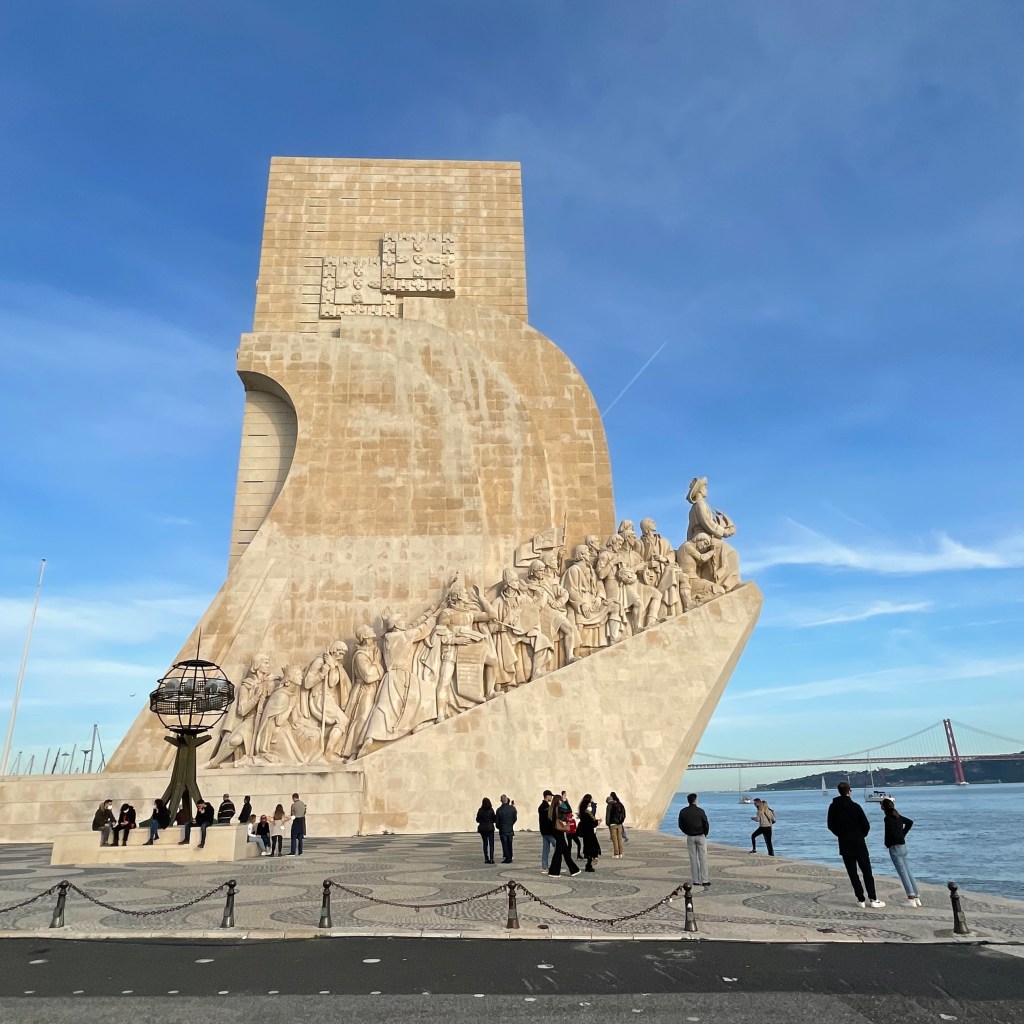
The Belem district makes its third entry in this post. I might just have to make a second psot about Lisbon. On the same day I went to Belem Tower and the Jeronimos Monastery, I also happened to stumble upon the Monument to the Discoveries. And how can I not? The structure is hard to ignore, even if my eyesight turned poor.
The architecture is an homage to the rich maritime history of the Portuguese. The shape resembles the prow of a ship, with key figures standing at the front. Unlike most monuments in Europe, the hero isn’t sitting on a horse. This was built 500 years after the death of Prince Henry the Navigator. He was known for spearheading the Age of Discovery, by introducing caravel ship in exploration, and exploring Western Africa and the islands of the Atlantic Ocean. Please Google what a caravel ship is, because I can’t help with that.
Oceanario de Lisboa
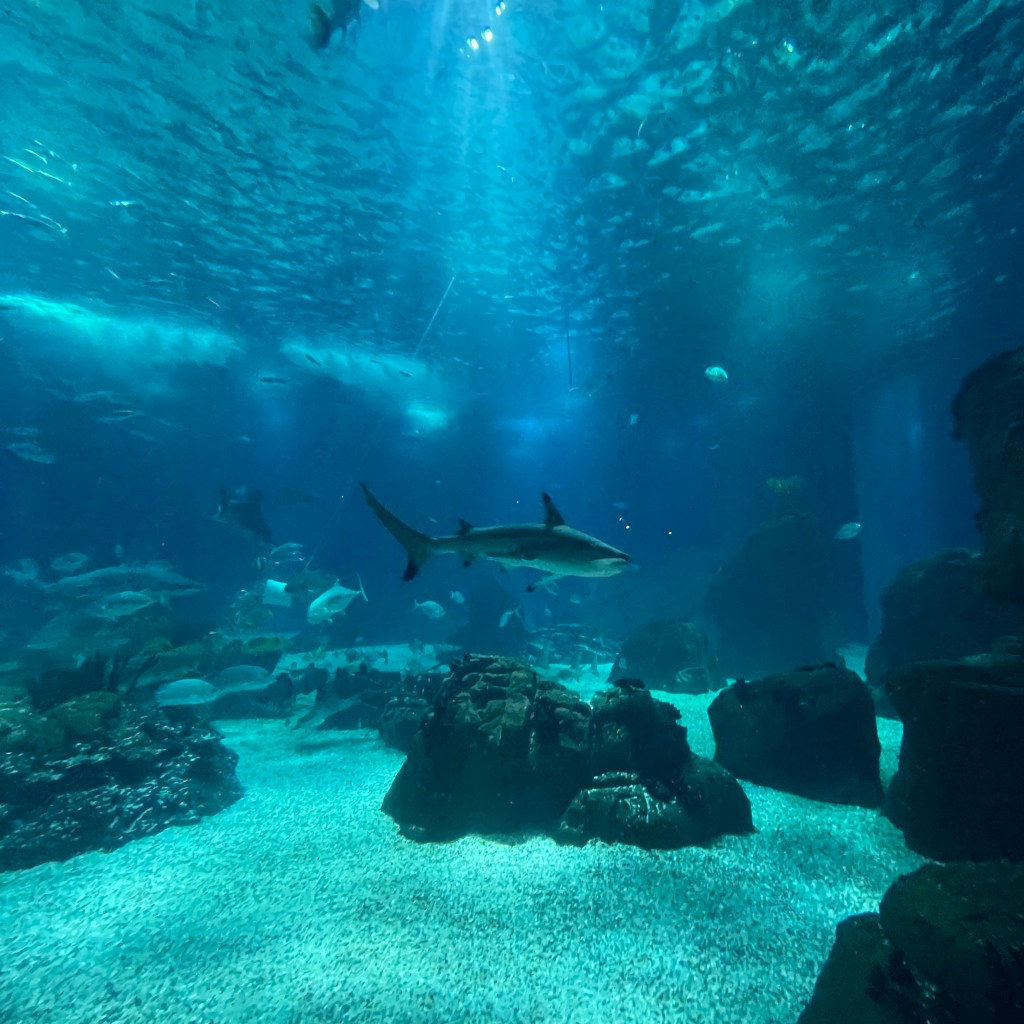
I used to think oceanariums are for children. And I also find caging animals outside of their habitats cruel. But I have got to say I felt neither when I visited Oceanario de Lisboa.
The oceanarium is impressive – both in its size and the diversity of what the place has to offer. There are various sections, covering different regions of the world, from the Atlantic, to the Pacific, and the Indian Ocean. There are sharks, penguins, and just about any shape or size of a fish I can imagine.
I can’t guess how the sea creatures feel. But based on the size, appearance, and maintenance of the place, I get the sense that this substitute is equally effective in giving them a safe and comfortable haven, probably even better than being free and subjected to humanity’s selfishness. There are also awareness exhibitions and materials everywhere to give centre stage to the conservation and environmental issues facing the world’s waters.
Alfama
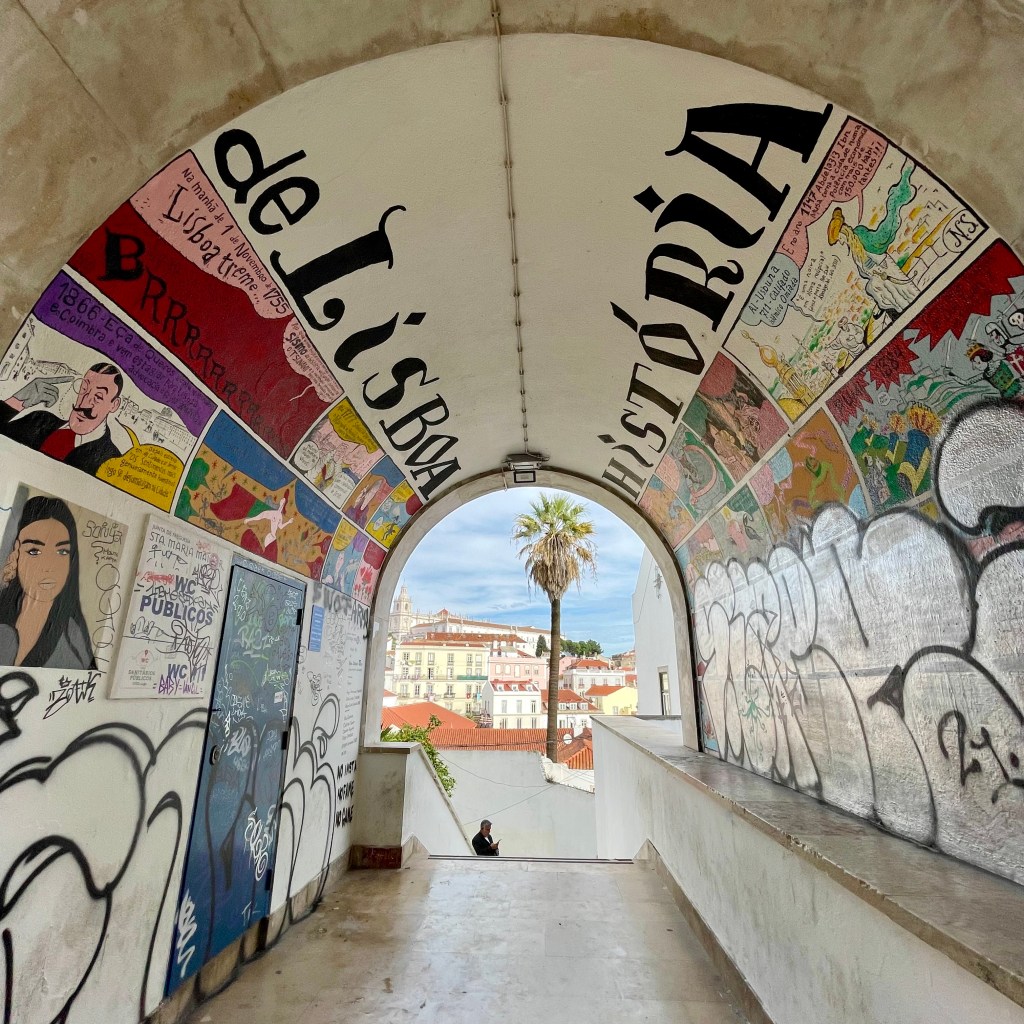
I rarely come back to a place I’ve visited in a city. But I went to Alfama twice – once to roam around, and another just to chill out. That says a lot for a guy who likes ticking as many boxes as possible and not repeating the same destination. And the climb isn’t friendly for the unfit either. So at one point, I felt unwelcome.
Alfama is one of the oldest neighbourhoods in Portugal. There are charming cafes, colourful houses, and friendly townspeople. Its castle, the Castelo de São Jorge, is at the top of the hill with breathtaking views of the city and the river. The homey and vibrant atmosphere persist, despite the effects of the Great Lisbon Earthquake of 1755, which didn’t spare this place from heavy damage.
All pictures were taken on December 2021 / January 2022.

 How I Did My Travels