I’m no authority in what places are the must-dos. But I can tell you which are the ones I went to. I’ll sprinkle in some basic information along the way and tell you about my experience. Your trip will be different but I thought I’d share mine.
Istanbul is home to 15 million people and is the largest city in Turkiye (and apparently in Europe?). It straddles both Europe and Asia. Before the Turkish War of Independence, it was once the capital of the Byzantine and the Ottoman Empire. History knew it as Constantinople. I find it a great mix of my past and present homes.
For a list of dishes I’ve eaten in Istanbul, you can visit this link.
In the meanwhile, here are 5 places I visited in Istanbul:
Hagia Sophia
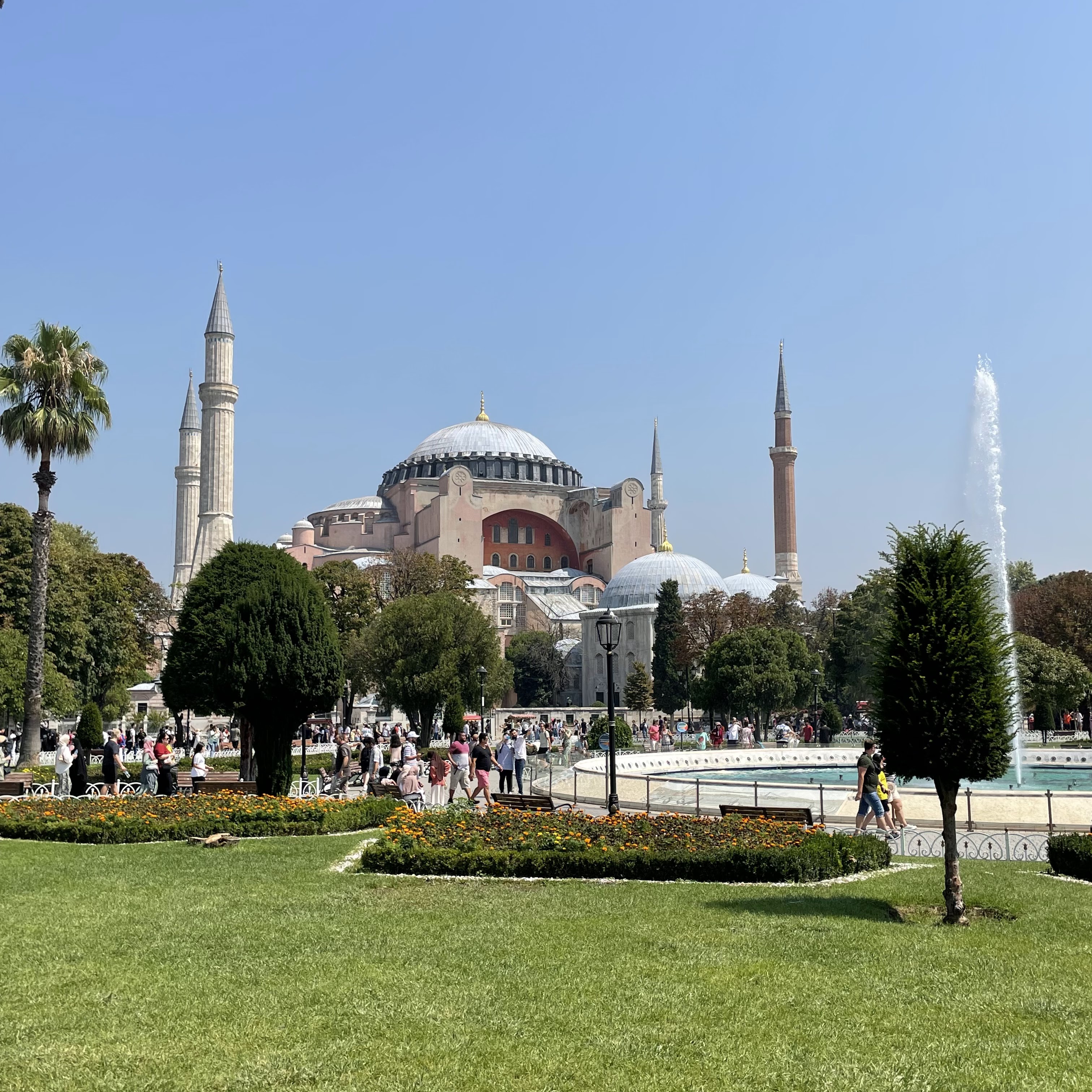
Hagia Sophia is a mosque in the European side of Istanbul that has had its status changed from a church, to a mosque, to a museum, and in 2020, back to a mosque. While the latest decision proved to be controversial, an unintended consequence is that mosques in Turkey are accessible and free to the public (subject to prayer times and appropriate dress code). For me, all the hype around the structure is warranted. The exterior is breathtaking with its gigantic domes and tall minarets (any picture of mine will not do it justice). The inside is even more imposing in its glory with Islamic texts and imagery (and hints of Christian symbols once I looked hard enough).
The Blue Mosque
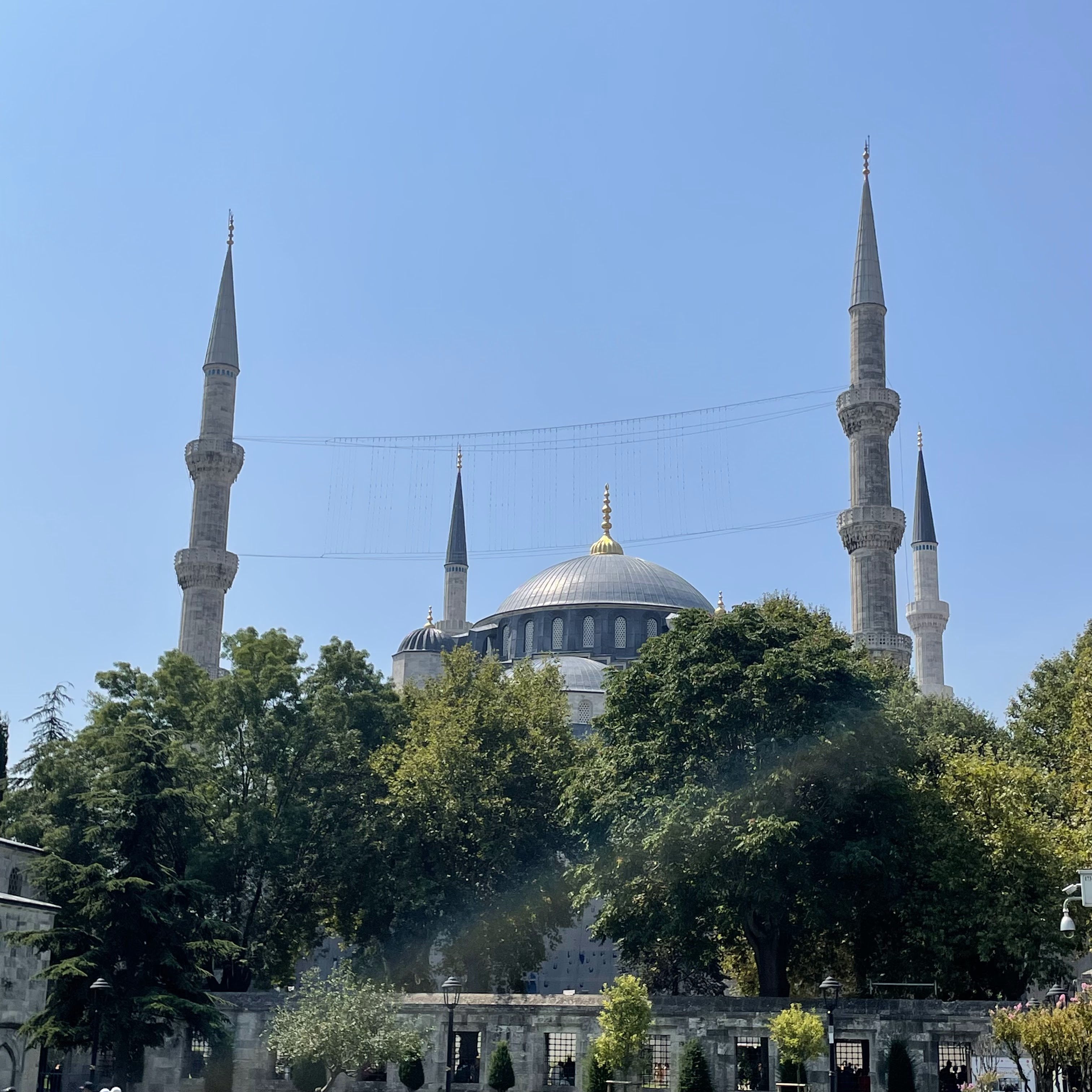
Many people, myself included, often mistake the Blue Mosque as Hagia Sophia (and vice versa). Even though there are aesthetic similarities, the two structures were built more than 1,000 years apart. It’s officially known as the Sultan Ahmed Mosque (and not surprisingly, named after the sultan who ordered its construction during the period). Unfortunately, when I visited, majority of the site was under renovation and I could only see the ceiling in the central part of the mosque. Hence, I couldn’t adore it in all its majestic glory.
Topkapi Palace
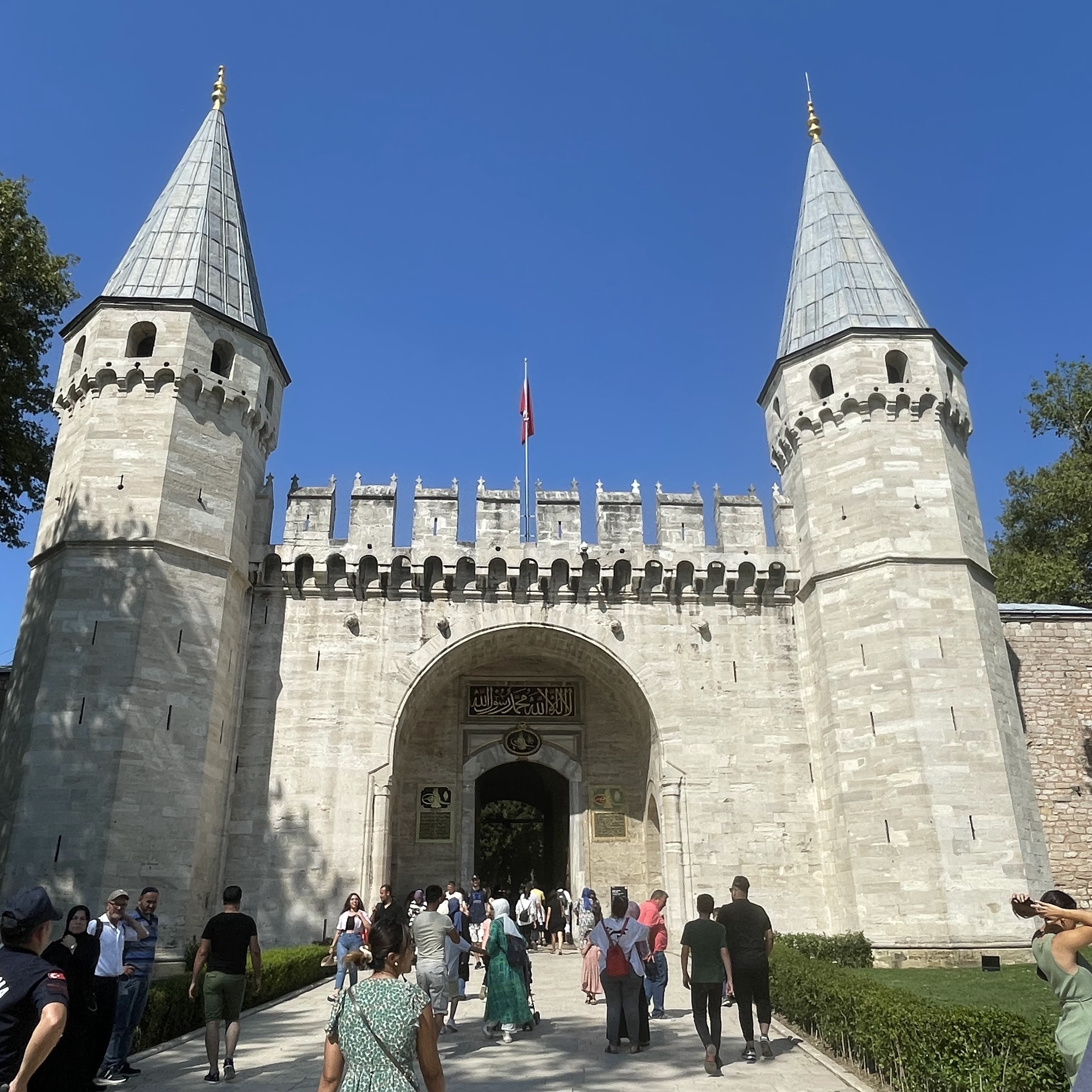
The name Topkapi loosely translated is Cannon Gate. For two centuries, it was the place of residence of Ottoman sultans until they decided to stay either along the Bosphorus Strait or in the Dolmahbace Palace. I easily spent 3 hours in the complex and it was a download and overdose of history. The site includes the harem, where female members of the Sultan’s family lived, and Hagia Irene, an abandoned church that for a time was turned into a military barracks. I have to admit – the time I lasted was a function of just how enormous the place was and the ease of getting lost given its relatively unstructured setup compared to modern day museums.
Dolmahbace Palace
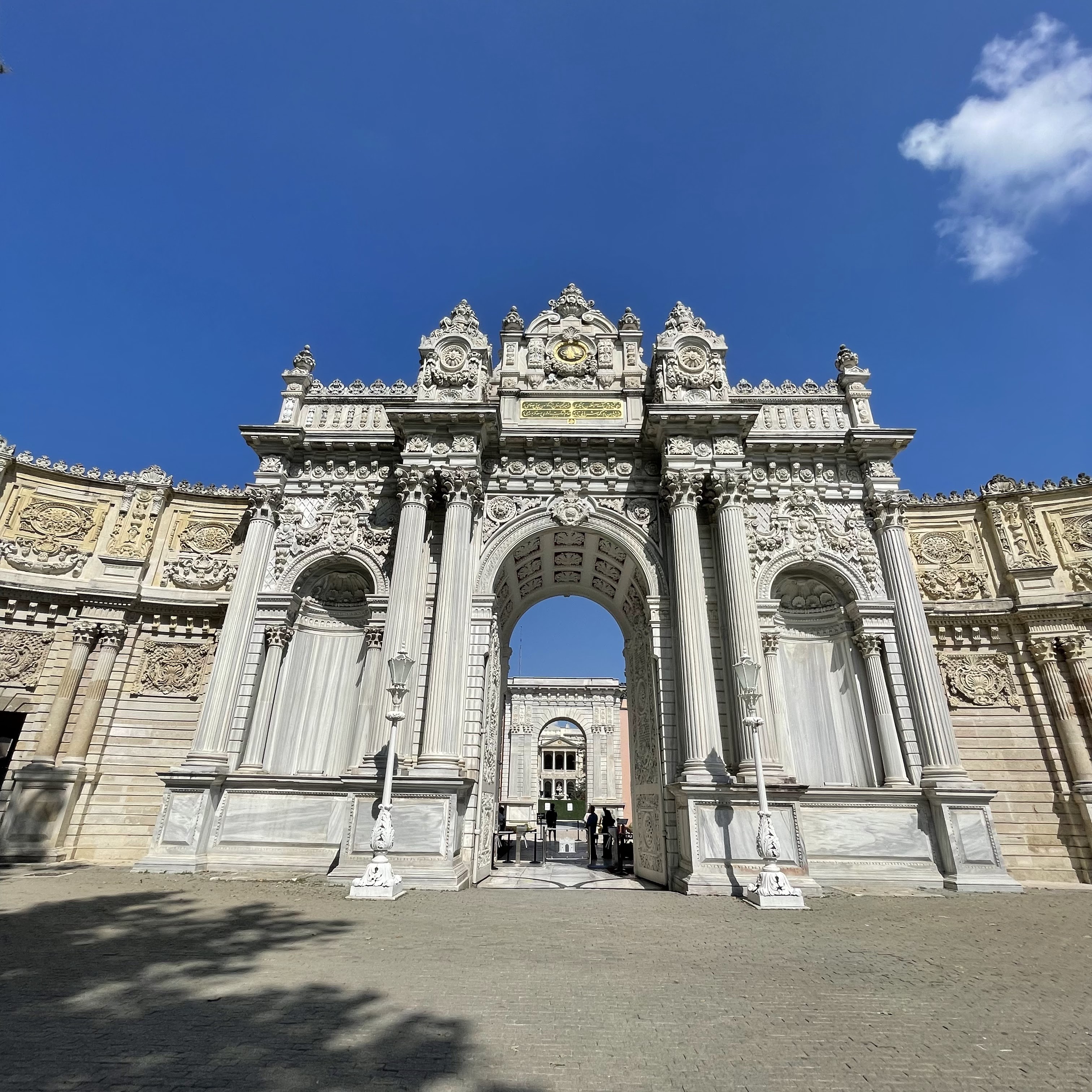
If the Topkapi Palace wasn’t extravagant enough, the 31st Sultan of the Ottomans ordered a more luxurious and contemporary style palace in the form of Dolmahbace. This is Turkey’s version of Versailles or Buckingham. And in my humble opinion, it feels a bit more regal than those two. The grand hall of Dolmahbace took my breath away more than when I saw the paintings at the ceiling of the Sistine Chapel (and speaking of which, it’s a pity you can’t take pictures at both places). I’ve seen a number of structures in my life and this one ranks among the best.
Bosphorus Strait
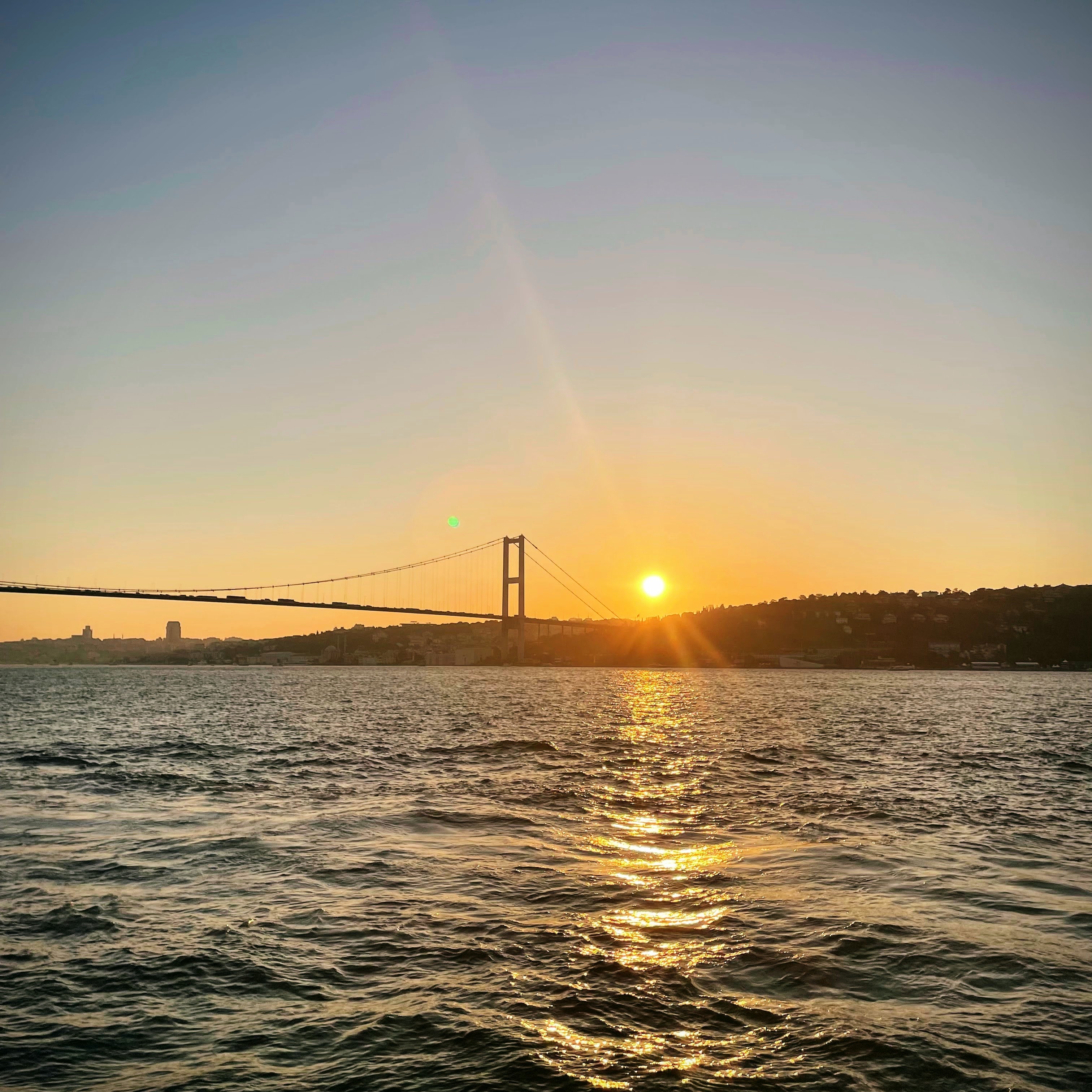
The Bosphorous Strait is a body of water that acts as a boundary between continental Europe and Asia. It’s also a modern day strait that is still used for international navigation. The houses along the coast belong to multi-millionaires. I’ve done sunset cruises but none of them go through an administrative and natural border between continents. The view of the mosques, bridges and houses are quite Instagrammable, which I would have gone gaga over not so long ago.
All visits happened on August 2022.


 How I Did My Travels